

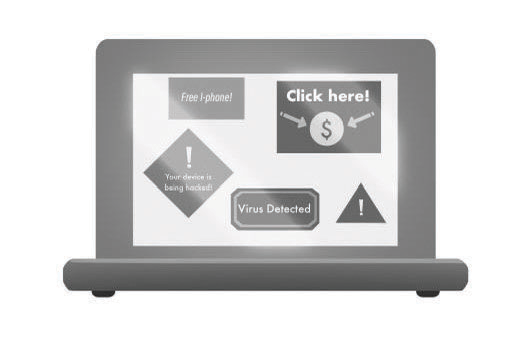
With preconceived notions of who is affected by scams, the editors of The Equinox would like to challenge them.
We believe it is important to understand that everybody is susceptible to scams. While there is an all too common belief that only people within the older generation are gullible enough to get scammed, the truth is more revealing.
According to the Federal Trade Commission’s (FTC) Consumer Sentinel Network Data Book, in 2023 of the 2.9 million accounts of fraud reports 44% were aged 20 to 29 and only 25% were aged 70 to 79.
The data shows the younger generation gets scammed around the same amount of times as the older generation. We feel it is vital for the younger generation to not have an arrogant attitude when it comes to scams because a scam can harm anyone.
The University System of New Hampshire (USNH) Enterprise and Technology Services (ET&S) will switch to Abnormal Email Security due to many phishing attempts that have been made. The Director of Cybersecurity Operations and Identity Access Management, Joe Gray, said Abnormal found 528,000 phishing attempts across the USNH community.
With all of the phishing attacks out there, we think the government should bring more regulations on those making them. There is no excuse to send out a phishing email and scam people and those who do as such should be further punished than they are already. While this will not stop phishing attacks completely it will deter someone from doing so and provide justice to those who have been attacked.
We also believe Keene State College should be more involved in providing education against scams, especially phishing emails. While phishing attacks are the fault of the provocateur, it is also good to take preventative measures to take precautions with scams. This means it is up to the individual to know what a scam can look like and what they should do when they come across a scam.
There is some basic advice such as do not click suspicious links and look out for spelling mistakes in emails. Ignoring or reporting such ominous emails is typically the best course of action. However, not everyone may know this most trivial of precautions and many more would like to know other ways to prevent being scammed.
Keene State College could provide some information on how to avoid being duped. Sometimes the college sends out fake phishing emails to test how many students fall for the scam and how many report it. We believe this is a good idea, but the fake emails may be a bit too obvious. Having the pseudo-phishing attacks be more subtle would be a great way to teach better precautions when it comes to scams.
The school could also use the first-year seminar to provide education against scams. It is good for those coming into college to know the preventative measures to take against scams.
It is important to stay safe out there. Make sure to be careful when it comes to emails and never click a suspicious link.