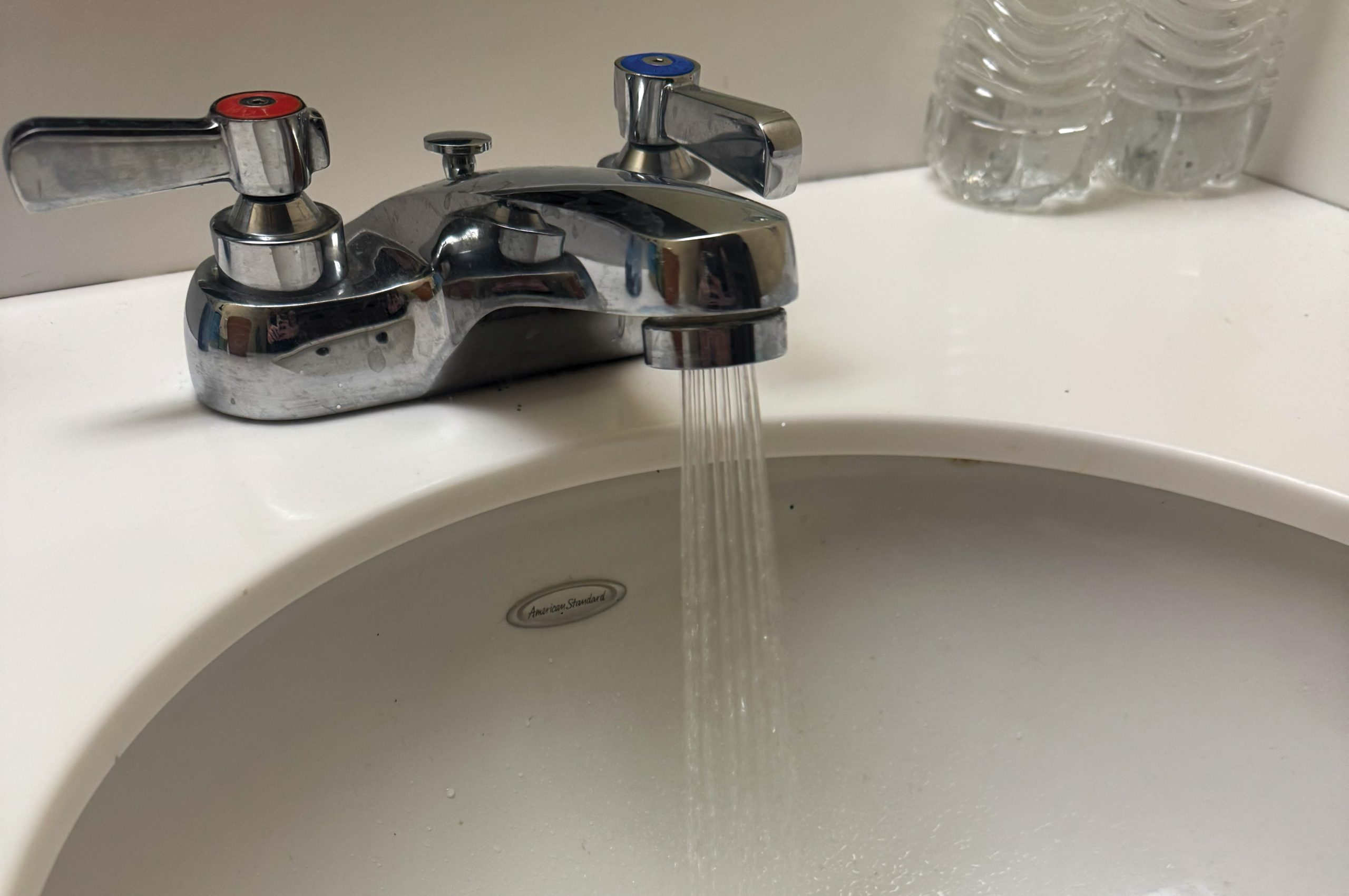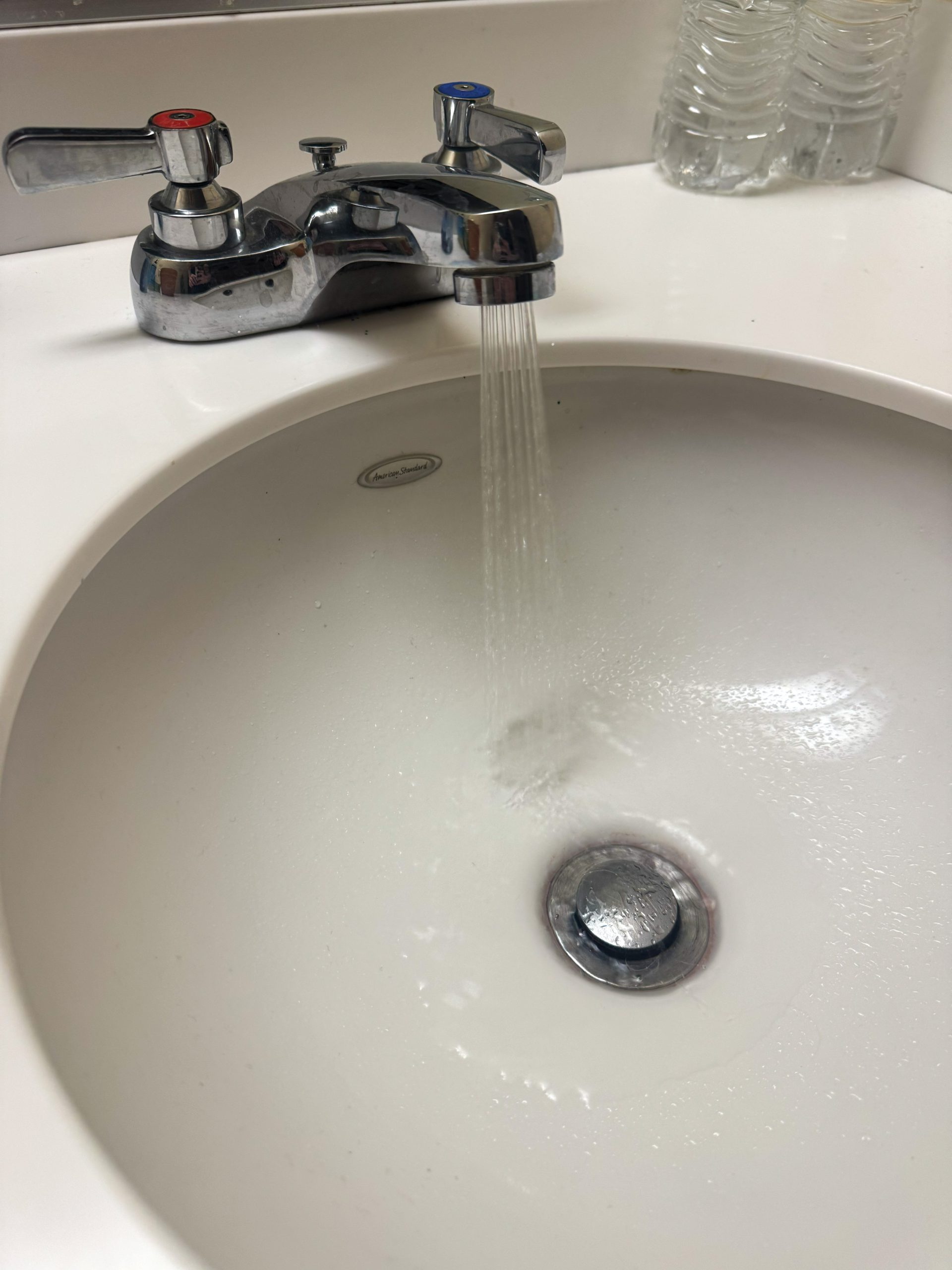
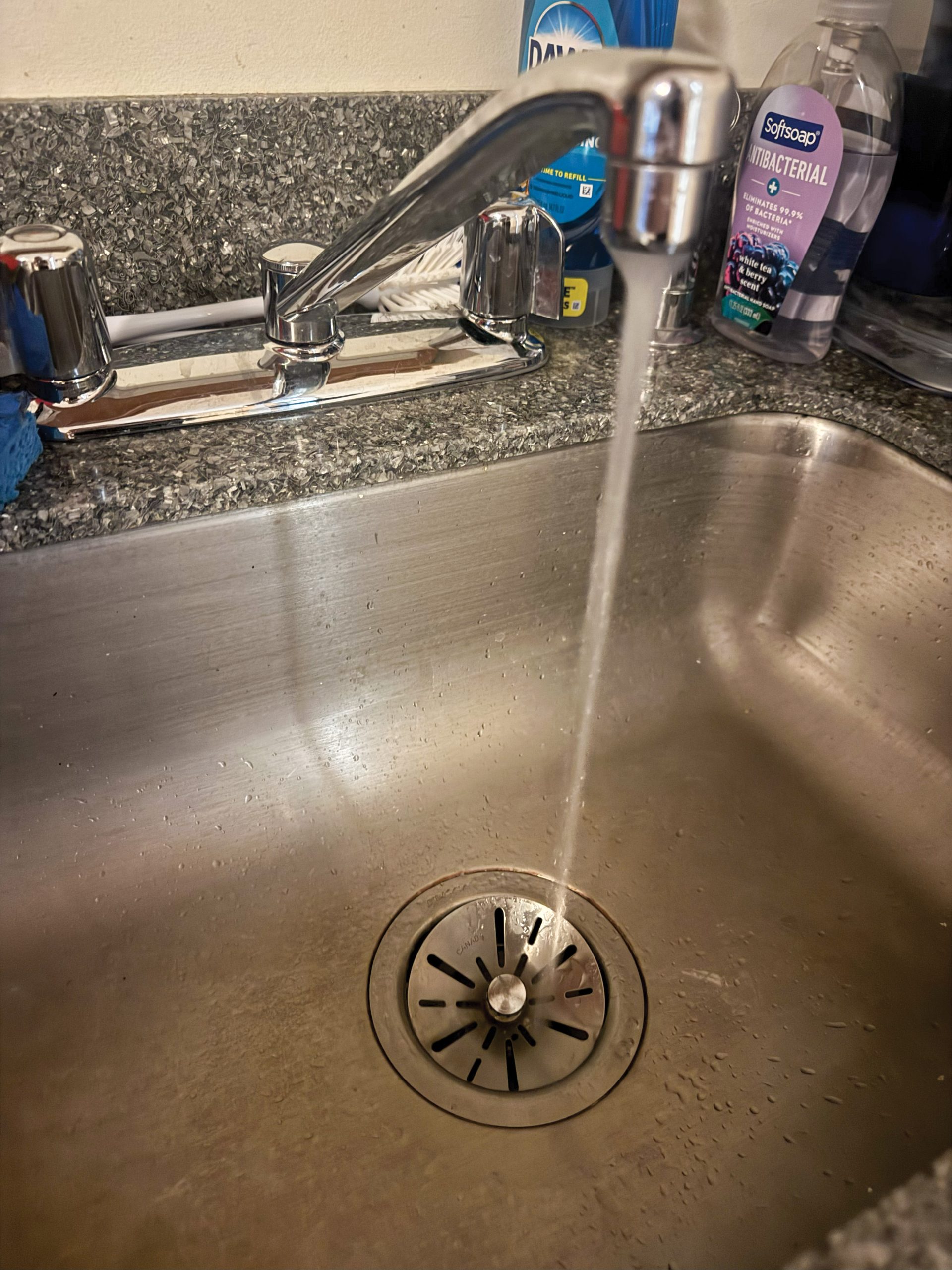


Here at Keene State, students rely on a combination of groundwater and surface water. The annual water quality report for Keene explains how “The majority of the water comes from two surface water reservoirs located in the town of Roxbury and from four gravel packed wells located within the City on Court and West Streets.”
Lead, a toxic metal, is known to find its way into drinking water through home plumbing and service lines. Small children and pregnant women are especially susceptible to the effects of lead contamination. The 2024 water sample report found no violation of lead in the water, with a 0% level of contamination to the 90th percentile.
The report also details some of the concerns regarding contaminated drinking water. It mentions how “Immunocompromised persons such as persons with cancer undergoing chemotherapy, persons who have undergone organ transplants, people with HIV/AIDS or other immune system disorders, some elderly, and infants may be particularly at risk from infections.”
Benjamin Crowder, water and sewer operations manager for Keene, provided some additional information and which resources specifically pipe water to Keene State.
“It depends,” Crowder said. “The wells pump directly to the distribution system. It’s a mix. Right now we’re running two gravel-packed wells and surface water.”
Crowder also said that there was a main break in the water system over the summer, but that “usually things are pretty steady and good” in terms of water quality.
When asked if he thinks some students may be more vulnerable to the quality of the water, Crowder warned that chlorine, which is used to filter the water, could cause irritation and that “It’s one of our biggest complaints,” Crowder said.
Crowder also cleared up any confusion about where the water is sourced from, and that the ponds and rivers on Keene State’s campus are not used as direct sources.
“No they are not,” Crowder said. “The aquifers and the gravel packed wells are on or below, but they do not directly impact water quality, although they may contribute to Aquifer levels.”
Crowder also provided ways students with irritated skin and sensitivity to the water can keep themselves safe.
“It’s already been filtered, so it’s completely clean,” Crowder said. “But a Brita filter may help with chlorine.”
Environmental Studies Professor Nora Traviss agrees that Keene does a good job keeping the water clean on campus.
“The water quality in Keene is very good,” Traviss said. “Keene has a long history of having excellent sources of water.”
Traviss added that the city of Keene has always complied with the regulations regarding quality of water and that Keene does a “good job.”
A sophomore, who asked to remain unnamed, provided her thoughts on water quality at Keene.
“I mean … I’ve never had any bad experiences,” she said. “The drinking water we have is filtered. I have heard some issues from other residence halls, though.”
She added that the issues could be caused by a lack of filters for the water, as she hasn’t experienced such problems at the commons in the dorms.
Chloe Erno can be contacted at