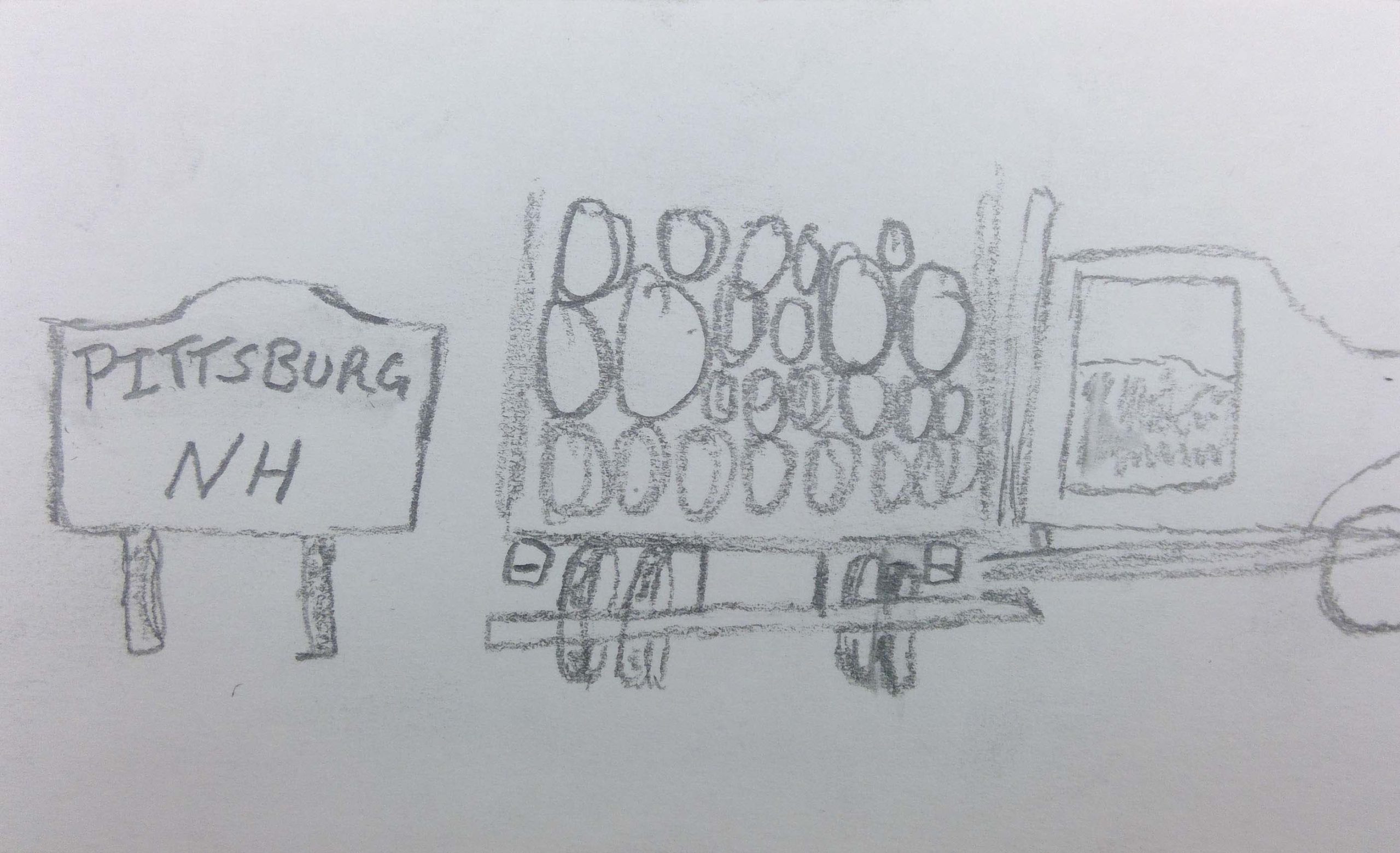
Logging is an important part of culture and industry in the north country of New Hampshire, and that may be under threat now.
According to an InDepthNH article the Connecticut Lakes Headwaters logging tract is currently under new ownership by a company from California called Aurora Sustainables. The company is in the practice of “carbon farming” where they receive money from other companies to protect trees from deforestation and, in turn, offset the carbon emissions of the client companies.
This has the towns of Pittsburg, Stewartstown and Columbia concerned, according to InDepthNH. North country towns rely on the 10 percent timber tax that comes from logged land, which comes from the value of the tree that was cut down.
This, overall, is a concern that comes from many aspects of going green and shifting away from traditional industries that still have modern applications. Whether it be coal mining or logging, there are people that rely on these industries functioning. This is where green policies find their biggest roadblocks among the public.
There are hundreds of New Hampshirites that support and are supported by the logging industry. These folks work hard and make an honest living doing it, but when these tracts are bought by companies like Aurora, loggers and trucking companies lose out on income. Lumber mills start cutting staff because of the work reductions and the whole region becomes economically depressed. I can sympathize with these communities and why they are so concerned.
Aurora has proposed reductions in the amount of timber that can be removed from the tract. If Aurora goes forward with the reduction even after the current negotiations with the New Hampshire Municipal Association (NHMA) and the New Hampshire Department of Natural and Cultural Resources (NHNCR) it would be detrimental to the north country. It would not be the first time the north country would have to deal with this degree of economic pain. Earlier in the region’s history at the turn of the 20th century, some of the largest businesses were paper and textile mills. When these mills closed in the late 20th century, lots of economic hardship was felt in the area; poverty rates increased. A similar pain was felt locally in southern N.H. and Vermont.
The Connecticut River Valley in Connecticut, Massachusetts, N.H. and V.T. was called Precision Valley. There were large manufacturing shops that specialized in the making of machined parts for industrial applications. In the late 20th century these good paying factory jobs left Springfield, V.T. and Claremont, N.H., companies such as Tambrands, Bryant’s and Jones and Lamson’s (J&L). Major economic pain was felt in the area, incomes dropped, people left the area, towns lost important tax revenue and so on.
If we, as a society, are not careful regarding this shift in the economy with green industries, real pain will be caused. While I believe it is important to shift in a more green and environmentally sustainable manner, we need to be incredibly conscious of the people we will leave behind. The jobless and/or uninsured families who just lost the only good paying job in the area will become angry about the shift and how it left them behind. These efforts need to be made with these people in mind. It is detrimental to environmental work being done and paramount to that, it will leave people who already struggle, to the wayside of society. These folks do not deserve to be left behind because of poor planning. There needs to be concerted efforts to either support these people or have economic plans that increase job opportunities in the region.
Author James Baldwin is quoted saying, “Anyone who has ever struggled with poverty knows how extremely expensive it is to be poor.” A lot of these towns and regions are facing this now. Extreme poverty causes the whole social fabric of a community to deteriorate. Crime increases, distrust in the community increases, demographics become more sectarian, whether it is social or economic demographics, and political extremism increases. If we are not careful about how industry shifts, we can further disrupt our fragile social fabric, both in N.H. and nationally.
Timothy Fitzpatrick can be contacted at
tfitzpatrick@kscequinox.com