

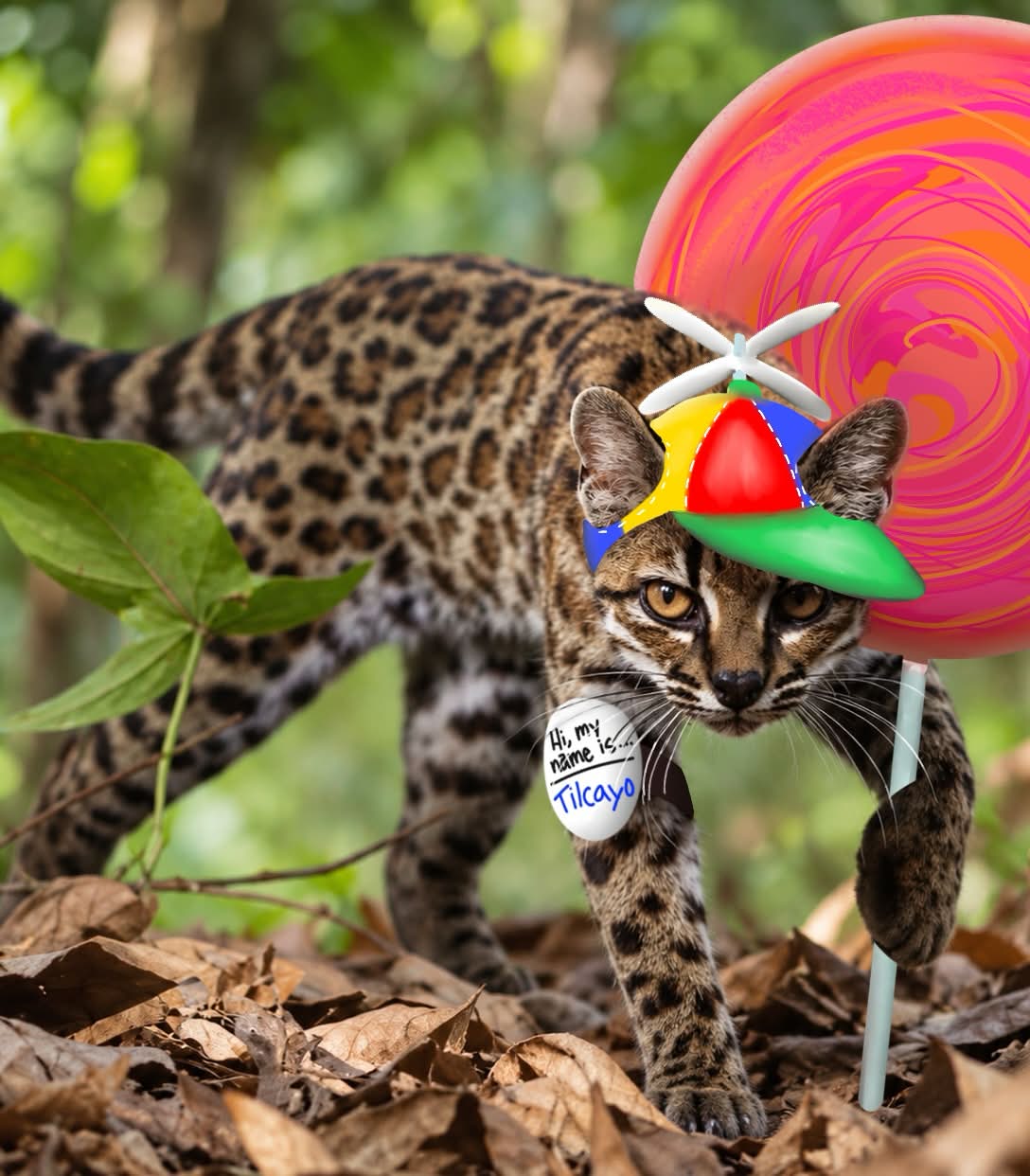
Smaller than a housecat and weighing only three pounds, the little Tilcayo (or Leopardus Tilcayo) is the first and newest addition to the cat family in 100 years. The Tilcayo was discovered in Bolivia back in 2017 by biologist Paola Nogales-Ascarrunz, who had assumed it was part of the Leopardus tigrinus species, but it was only recently found to be a new species entirely after a series of studies, according to National Geographic.
We are so used to hearing the bad news: animal extinction, species endangerment, global warming and international crises. There are so many things to think about that it is difficult to notice the good things. The discovery of the Tilcayo, though, makes me feel like maybe we’re not only going backwards—not just because cats are cute, but because if we can discover a new thriving feline species after an entire century, someone must have been doing something right.
Many different creatures have gone extinct over the last handful of years, but we should not ignore the 23 fully recovered species that were able to come off the endangered species list. Humans can figure out how to give back to the environment positively, but it takes a lot of effort to get there. Having movements like “Save the Turtles” and “Save the Bees” works—but only if we focus on the right things.
The “Save the Turtles” movement a few years back raised global awareness of plastic waste and the fact that it is bad for the environment and harms things like sea turtles. However, the social movement did not actually save the turtles. Many species are still on the endangered species list, and while some of them were able to be recovered enough to be taken off the list, it did not solve the problem it was looking to solve: plastic pollution in the ocean. The same can be said for “Save the Bees.” We did not save the bees because the people promoting the movement went in uneducated on the subject and were promoting the saving of one specific type of bee, not the hundreds of endangered wild species that were and still are actively at risk of complete extinction, the very ones that are silently keeping our wilderness alive.
It is sad to me that when humans actually try to make an effort to help keep our ecosystem in a good place, we never seem to actually be able to do it. Either there isn’t enough research done, or not everyone participates or people within one movement push others away by trying to force their lifestyle on others. The biggest example of that that comes to mind is vegans.
When people change their diets specifically to make a change in the environment, it makes me think that they do not truly know what they are talking about. The meat industry in the United States is not a pretty one by any means, but when someone has the expectation that the entire world should join them in boycotting buying meat because of that fact, it sets an unrealistic expectation that they will overthrow the entire industry by doing so. You do not save animals this way, you only contribute to thousands upon thousands of pounds of food waste, which is equally as bad for the environment and a different issue entirely. Being environmentally conscious is a great thing, but only if you do your research on how to do it right.
If you want to look out for endangered animals, consider focusing on boycotting things like animal skin clothing and accessories, or perhaps even something like donating to research foundations trying to keep these creatures from going extinct. Education will keep our planet alive, and I believe that the little Tilcayo is one small step towards more people caring about the animals in the world around us.
Nicholas Ackley can be contacted at
nackley@kscequinox.com