

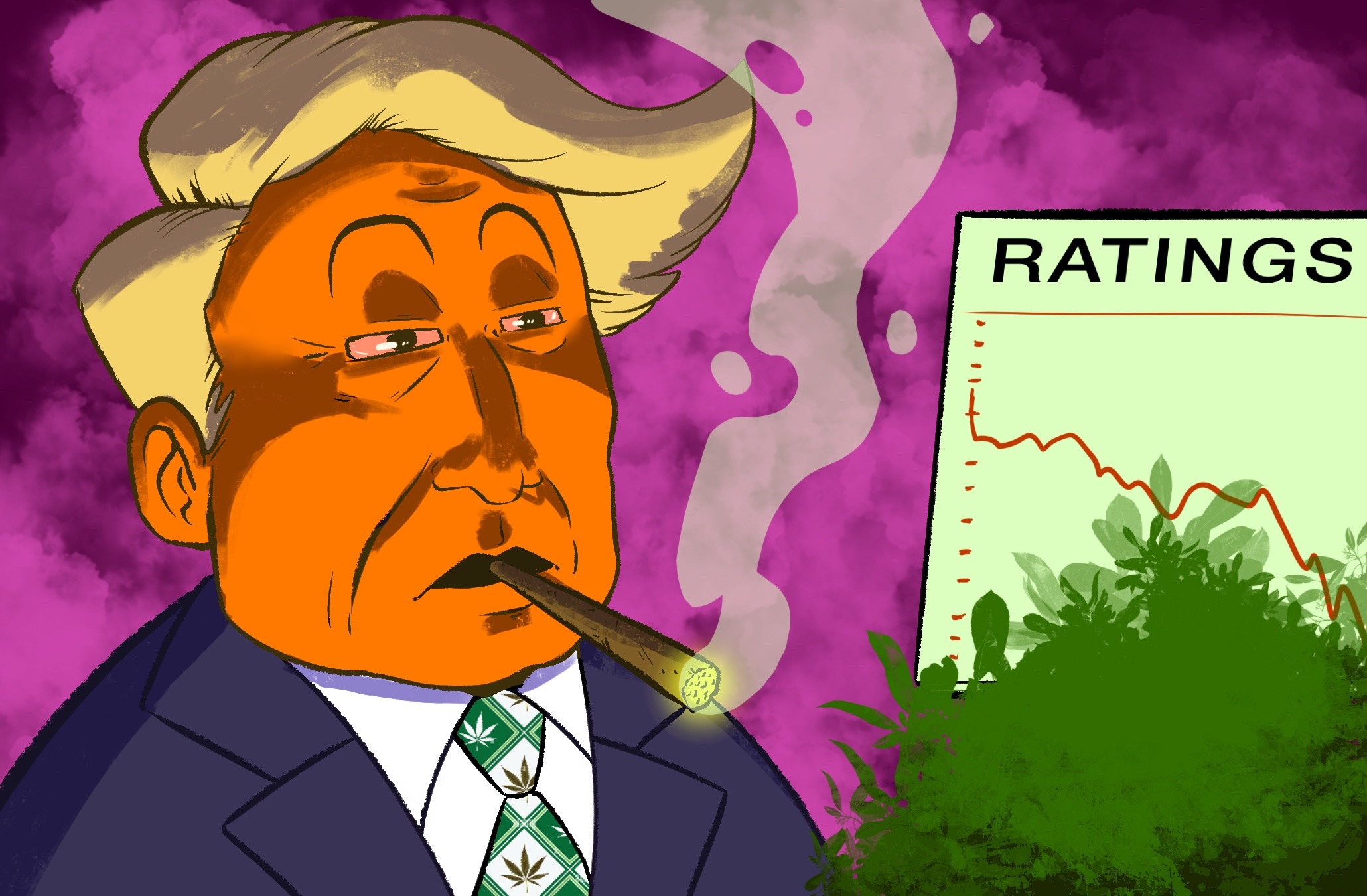
The use of marijuana across the United States is something that has divided people for years. Many hold tight to the notion that, as marijuana is a drug that is scientifically linked to negatively affect the brain over time, especially the brain of those under the age of 25, it should be banned and that users and sellers should be threatened by the law. Others cite that marijuana usage has become as mainstream as drinking alcohol, and that banning a substance so popular is not going to eradicate people from doing it, but simply make it more dangerous for them to do so, resulting in more harm done to human lives.
There are many more opinions people hold regarding marijuana usage, and it has become a popular topic in politics as a result. Recently, the Trump administration set a precedent by moving the usage of marijuana out of a Schedule I drug classification that includes drugs such as heroin and LSD and into a Schedule III classification, which includes drugs like Tylenol. Some are celebrating, others are livid. But what does it all really mean?
According to nhpr.org, “The rescheduling does not immediately affect recreational marijuana. The new policy applies to only two types of marijuana products: ones that are FDA-approved and ones that are regulated under a state medical marijuana license.
In late June, the Drug Enforcement Agency will hold hearings looking at the broader rescheduling of marijuana, not just medical programs, the Justice Department also announced.”
While this move may seem futile given that medical marijuana usage has already been granted a cultural prestige and respectability that recreational marijuana usage does not share, this move is actually to benefit researchers.
“The administration says it wants to strengthen medical research but also maintain strict federal controls. And the shift to Schedule III does mean that medical marijuana researchers would no longer have to go through the onerous process of obtaining a Schedule I license to do that work. That process has long been seen as intensely rigorous, including tight laboratory regulations to acquire and study marijuana,” according to nhpr.org.
Marijuana usage, like most other controversial topics, generates such divisiveness largely due to a fundamental misunderstanding of what the drug actually does between different groups of people. You could go around and ask 10 people on the street what the negative effects of marijuana usage are, and you would get vastly different answers.
Some people might say marijuana destroys your cognitive functions, while others might say it relieves anxiety. Some people might say marijuana usage is a serious offense, while others might say it’s a perfectly healthy way to relax.
Ultimately, what this re-classification of medical marijuana does is make the effects of it easier to study. It also allows for registered businesses that sell marijuana legally to be more transparent about their operations, as they are not considered a risk. What this is going to do is allow for a better understanding of marijuana across the population, and given how popular its usage is across the U.S., that is most definitely a positive thing for those who encounter it and those who are trying to form their own opinion on it through all the noise of differing viewpoints.
The reality is that if you actually take the time to look into the history of marijuana usage, it becomes apparent that it was largely criminalized and stigmatized in the U.S. as a method of conjuring prejudice against minorities.
As a result, the effects of marijuana use have not been given a spotlight of study in the way that other widely used substances like alcohol have, resulting in an injustice being done to those who engage in marijuana use for a variety of reasons.
Prejudice always stands in the way of individuals doing their due diligence and engaging in proper examination and research. Taking steps to dismantle prejudice by making it easier for the genuine effects of marijuana to be examined and become more widely understood by the population is something that should have been taking place long ago in our history.
People should be able to put aside their own biases for the sake of research and creating a more informed society. The more we know, the more powerful we become. We should all be paying attention to what facts about the effects of marijuana use come to light now that researchers have been given an opportunity to do their job more efficiently.
Serena Taylor can be contacted at
staylor@kscequinox.com