

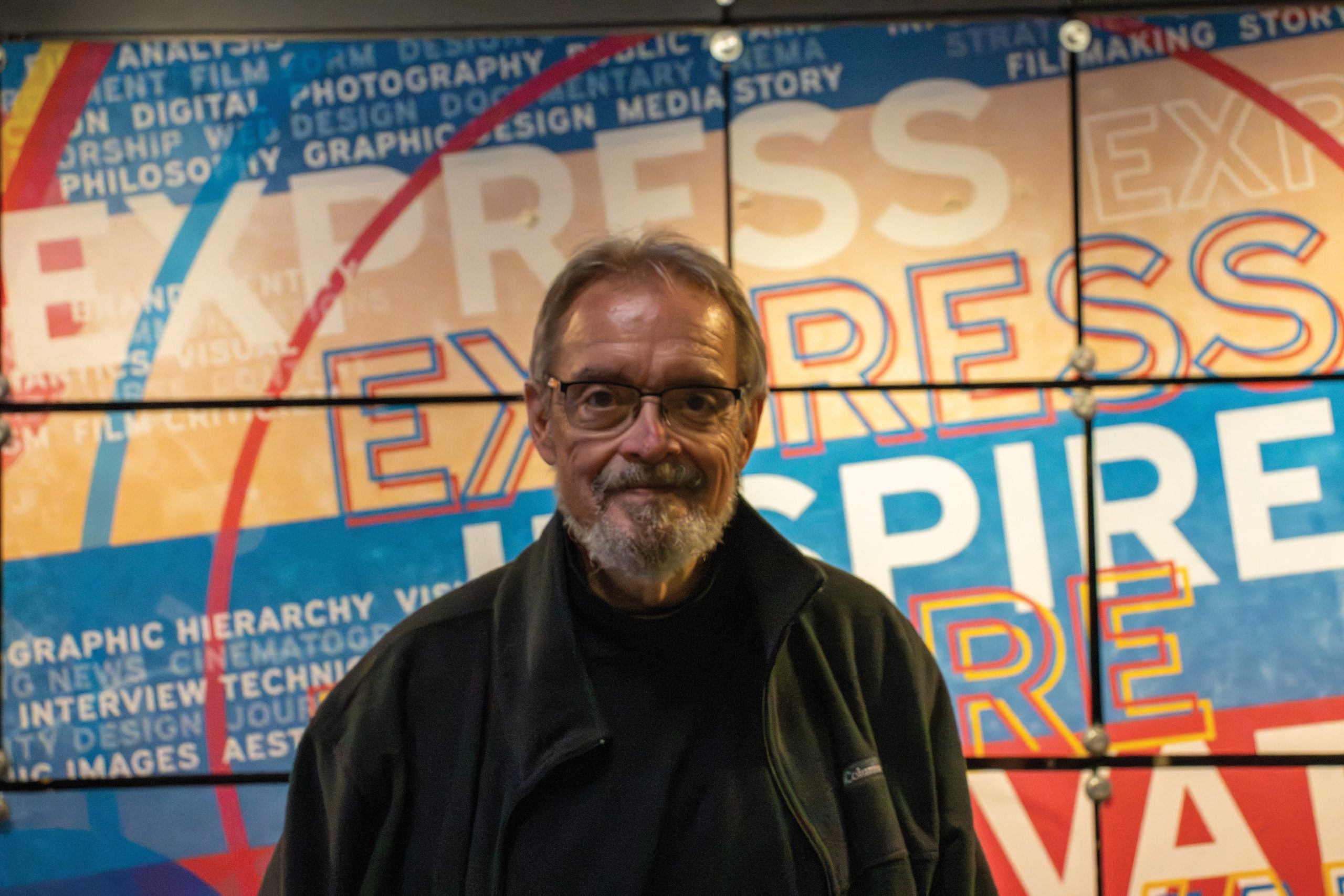
On Sept. 4, Keene State’s faculty members were expecting to be paid for the work they’d done over the past few weeks. Of those faculty members, only the tenured professors received payment, while the adjuncts did not.
John Lund, the president of the Keene State Adjunct Association [KSCAA], said that he contacted human resources and was told that they wouldn’t be paid until Sept. 18, likely due to an error in data entry.
According to Michael Wakefield, the association’s treasurer and grievance officer, a similar situation had happened in the previous academic year. Wakefield said once it was resolved, he had received an email recognizing the error and stating that it would not happen again.
Lund said that as a result of not getting paid, many adjuncts had to make tough financial decisions, including not paying bills, buying groceries, child support, federal income tax installments and other “real life, bread and butter issues.”
“Many of us are working paycheck to paycheck, and we rely on what we get from working here [at Keene State]. I received a tsunami of responses regarding hardship that occurred,” said Lund. He continued, “We have people with small children, single parents, who now have to ask what they’re supposed to do.”
One adjunct had said in an email to Lund that they were their family’s sole provider, and their paycheck not arriving on time added a lot of stress. Another said that they had to move savings from one bank account to another, in order to ensure the coverage of their mortgage. A third faculty member said they had to hold back on car repairs because they could no longer afford to spare the funds.
Unlike full-time professors, adjuncts don’t have access to benefits or any guarantee of seniority and promotion. Lund said that while there is a difference in the amount of responsibility and courses taught, there is “essentially no difference at all” when it comes down to what happens in the classroom.
The Adjunct Association [KSCAA] and Education Association [KSCEA] are “two separate unions, two separate bargaining units,” according to Wakefield. Faculty members are encouraged, not obliged, to take part in either association, as it would enable them to have representation in situations such as non-payment.
“In some ways, this is a lesson about the importance of collective action. If KSCAA didn’t exist, that’s a hundred or more people who would have no idea how to address this,” said Lund.
Lund began teaching at Keene State in 2001, and got involved in KSCAA around 2004. He teaches courses in history, American studies, political science, as well as thinking and writing. Wakefield is a professor in multiple departments, including multimedia journalism, and said he was in his “79th semester of teaching.”
Lund said that the KSCAA didn’t want to come across as “confrontational or adversarial.” He said the members wanted to work through any problems, but he felt it was his responsibility as president of the association to assure that “all voices are heard.”
In addition to their lack of payment, Lund said that the adjuncts had requested “a place at the table” in the search for KSC’s new president. The request was denied.
Wakefield said, “This is a look from the perspective of [KSCAA] members. We didn’t get a paycheck, and we’ve been refused representation. Those things aren’t related, but they are in the sense of our status [on campus].”
The Sept. 4 lack of payment may be in violation of NH RSA 275:43, 1, a New Hampshire law that states that “every employer shall pay all wages due to employees within 8 days after the expiration of the work week, if the employee is paid on a weekly basis. Or, within 15 days after the expiration of the work week if the employee is paid on a biweekly basis.”
Lund said that he wasn’t a lawyer, so he wasn’t sure of how valid the violation was. He also said that if a violation did occur, the error had “exposed” the school to having to pay civil penalties.
“We just want this resolved. If they manage to pay sooner than the 18th, they might be off the hook, but not if they push past that,” said Wakefield.
Most tenured and adjunct faculty had signed contracts in July that put their start date as August 15. Wakefield and Lund were told that in the system, adjuncts were listed as starting on August 31, despite the fact that most of them started working on the same day as tenured faculty.
Lund said that KSCAA was working closely with Kirsti Sandy, who serves as Provost and Vice President of Academic Affairs. According to Lund, Sandy had been “very, very supportive,” and talked with the association on a monthly basis.
“We’re hoping the resolution will be that we [adjunct faculty] can get paid earlier than the 18th. The provost [Sandy] has to make the request, and that goes to the university system, and then hopefully they’ll do it. Sandy has been on our side trying to rectify the situation, and she didn’t want this to happen either,” said Wakefield.
Lund added, “It’s certainly not her [Sandy’s] fault. She’s doing everything she can, moving heaven and earth, to get this right. We’re kind of in the midst of this, and working through it, and it will be resolved. The hardships it caused are just really unfortunate.”
On Sept. 11, it was confirmed that adjunct faculty would be paid on Sept. 14. Lund said that state law would provide remedies, and workers could elect to pursue them.
Samantha Menard can be contacted at
smenard@kscequinox.com