
KSC students know campus safety often handles serious issues on campus, but how can students who live off-campus find resources or help? With the help of Keene’s Social Host Ordinance and the community liaison for students, there are resources available.
According to a previous Equinox article about the adoption of the Social Host Ordinance (SHO) in 2020, the City of Keene already defines public conduct in its Code of Ordinances, but there was not any in-depth mention of parties, which can be a common complaint in a college town. The SHO was created to help preserve quality of life for Keene residents and KSC students.
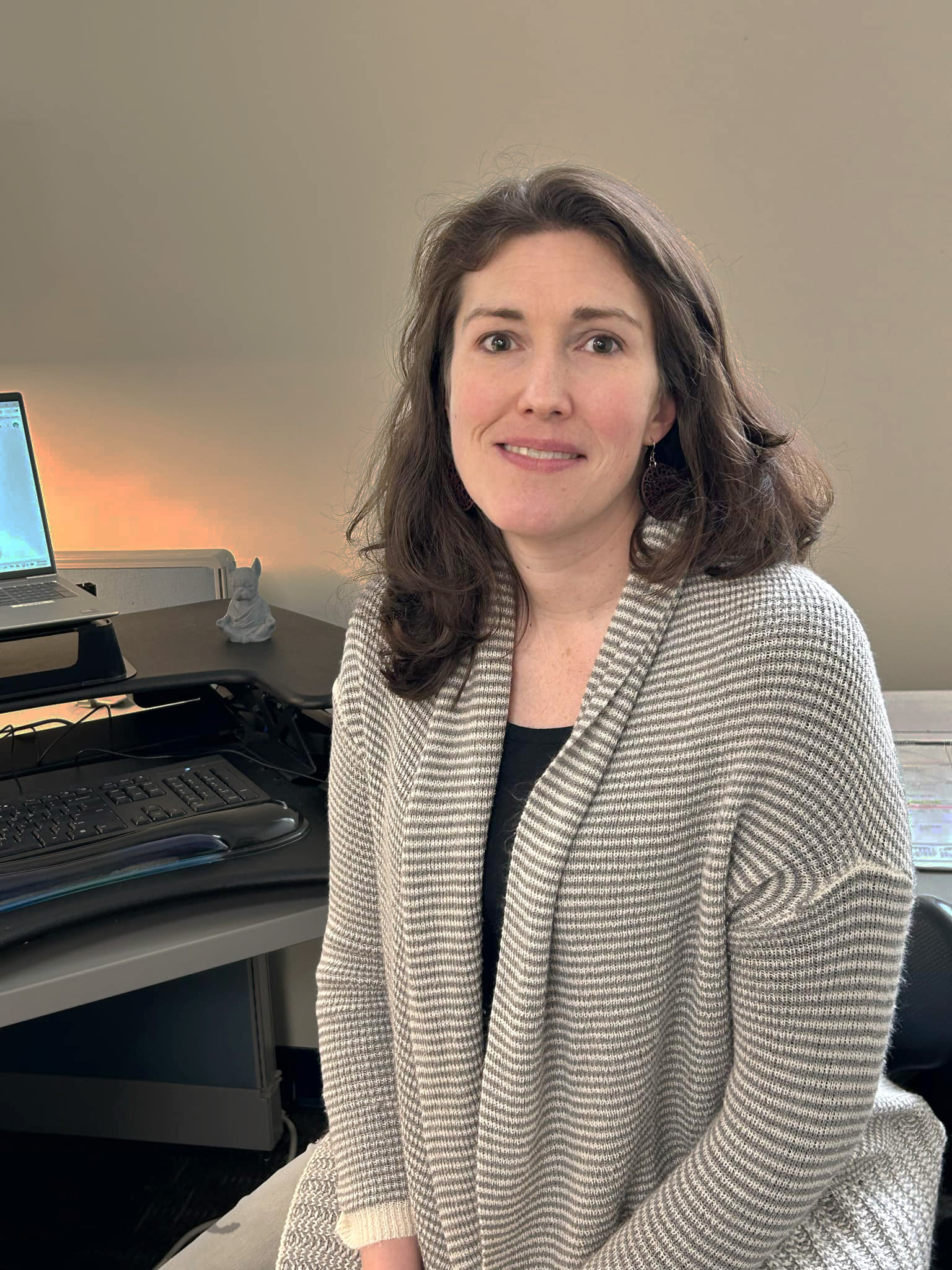
Five years later, the Keene Community Liaison Specialist Amanda Trask does much more in her role than just breaking up parties.
“This position was originally created as a result of the [SHO],” said Trask. “Since then, it has been expanded to include services to off-campus students in a more [preventative] role rather than reactionary.”
“A lot of it is community outreach and improving communication between the college, the city, as well as the community at large and the students,” continued Trask.
The SHO itself outlines the criteria for a disruptive event, which is an “unruly gathering of 5+ people” and more than one of certain offenses which includes drug use, excessive noise, fire or building code violations or others. While the Keene police handle any complaint calls, Trask said the community liaison tries to prevent situations from becoming unruly in the future rather than only punishing those who violate the SHO.
“Once the violation has been issued, then I outreach and notify the landlord of the violation,” said Trask. “I don’t really have any communication with the student, per se, unless they decide to reach out to me. Student conduct is in our weekly meeting … and we all get on the same page about who’s reached out to the student … what was the landlord’s response and what are the steps going forward to make sure that student has resources available to them.”
Trask said she and the community liaison also aim to offer resources to help students who live off-campus. For some students, living in an apartment or house off campus might be their first experience with renting and living independently, so there could be situations that arise that students may be unprepared for.
“I personally have been a landlord so I can look at leases, provide a little bit of insight into what it means, what are the implications, what should they look out for,” Trask continued. “If there was a call or a complaint, I can help them understand that this is what you need to do to remedy the situation, this is how you prevent it in the future.”
Trask also has a public Canvas course published called “Beyond Campus Boundaries: A Student’s Guide to Off-Campus Living.” It aims to help students navigate living off-campus and how to handle conflict or tricky situations, from roommates to landlords. There is also another course available to help educate students on city ordinance violations.
While most SHO violations happen off-campus, Trask is also available to help on-campus students when the need arises.
“If a student … is on-campus and the police get involved, then sometimes I get roped in to be able to … connect them with community resources,” Trask said.
She holds office hours on campus every Tuesday from 12-2 p.m. at 48 Butler Court.
Orion Corbin can be contacted at