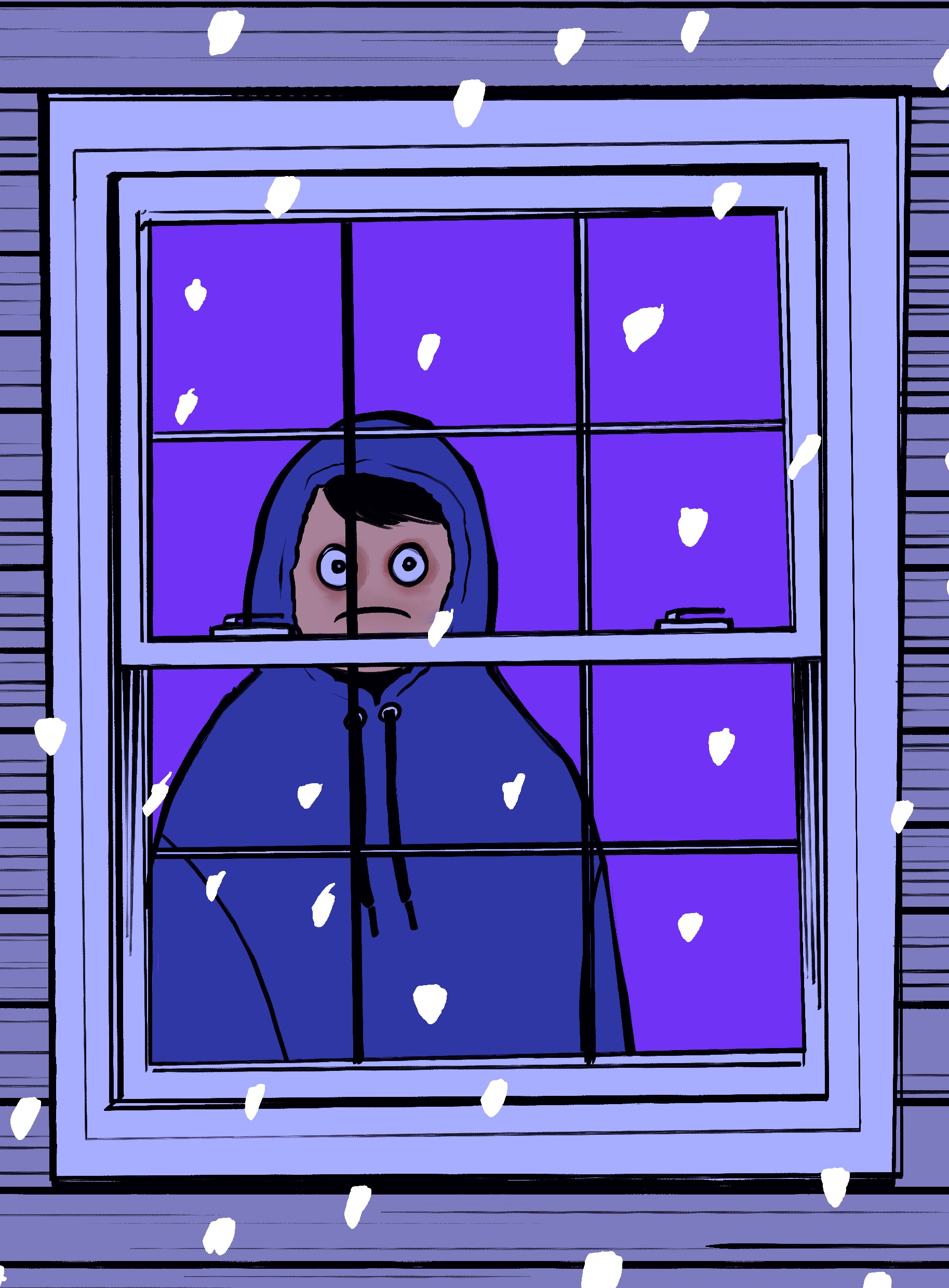

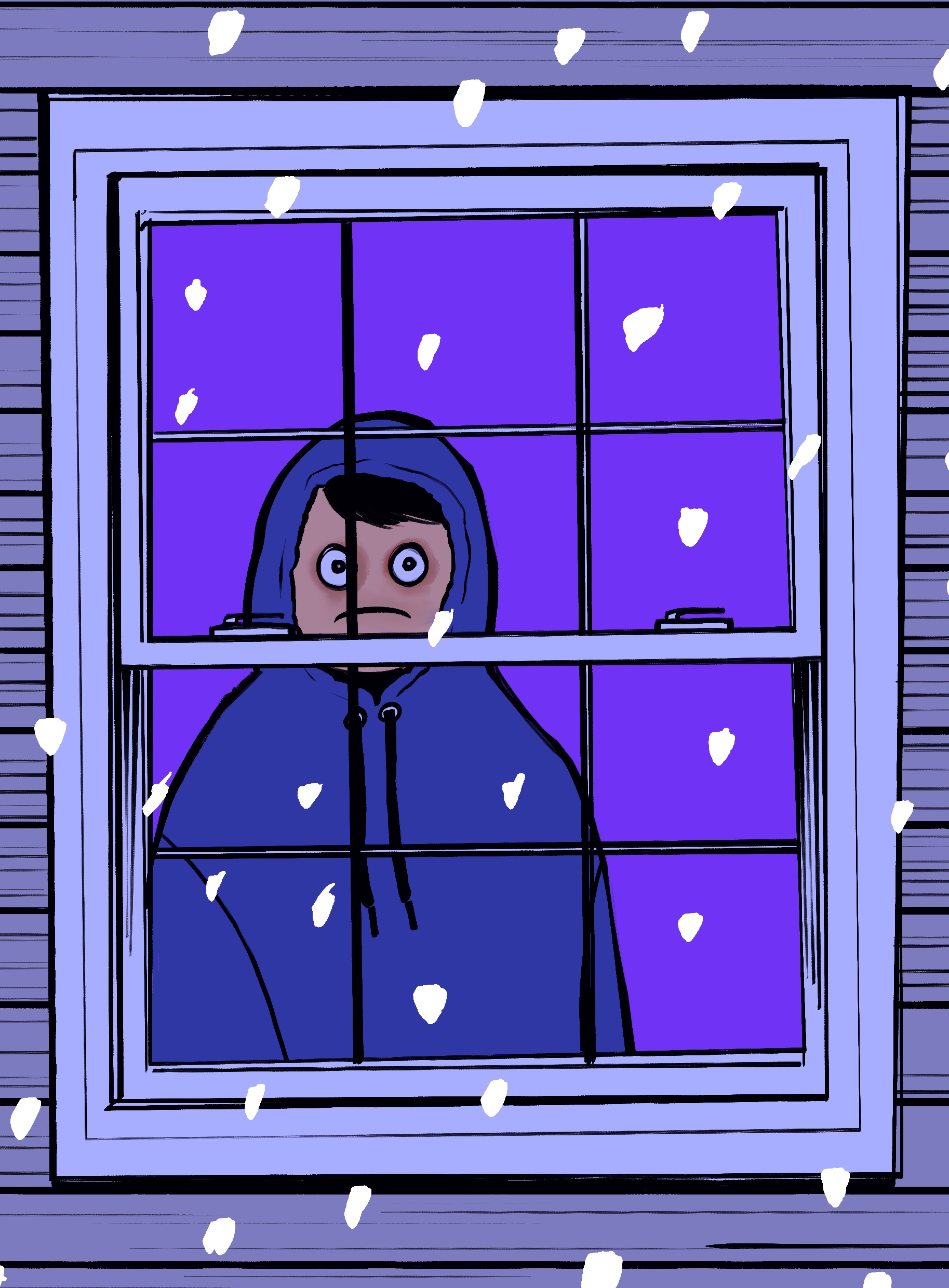
New England winters can be nothing short of brutal. A cloudy, lightly snowy day in January can quickly turn to freezing rain and icy roads, followed by a clear blue sky with negative temperatures. Any scenario can make you want to crawl into bed and wait until spring. Sometimes, the effects can be even worse.
Seasonal affective disorder (SAD) is a form of depression related to specific seasons, according to a MayoClinic article. Most people experience symptoms beginning in the fall and lasting for most of the winter. According to MayoClinic, typical symptoms of seasonal depression can include a loss of interest in activities, feeling sad or down throughout most of the day, low energy levels, oversleeping, overeating and brain fog.
If this sounds like you, don’t panic. According to a Psychiatry.org article, about five percent of Americans experience some form of seasonal depression, making it quite common. It is even more common if you live in the northern hemisphere, making New Hampshire a prime spot for the winter blues.
While many believe that seasonal depression is “all in your head,” there is scientific evidence explaining how SAD is related to biological imbalances in vitamin and hormone levels.
The farther you live from the equator, the less sunlight you receive. Even on sunny days, our sun exposure is not nearly enough to regulate our moods, putting those living in the northern hemisphere at higher risk, according to an NHPR article. The vitamin responsible for this is Vitamin D.
Vitamin D is an essential nutrient, meaning your body cannot produce it. In other words, you need to get this from an external source, most of which comes from food. However, the strongest component of Vitamin D comes from the sun, which explains why New England is so prone to seasonal depression.
Stable levels of Vitamin D help to improve your mood by raising serotonin, a hormone in your body that stabilizes and promotes happiness, according to a ScienceDirect article.
As someone who actively struggles with seasonal depression, finding remedies can sometimes seem grueling or hopeless. However, just as the seasons do, these feelings subside, especially with help from a few things.
Food sources naturally high in Vitamin D include fatty fish, egg yolks and certain types of cheese. These can be great foods to increase in your diet during the winter to compensate for the lack of sunlight.
Additionally, with the help of a doctor, implementing a Vitamin D supplement may be worthwhile, depending on your needs. You should always consult your doctor before starting any new supplements and try to find natural food sources in that vitamin first.
Another thing I found to help was moving your body a little bit every day. It could be a fifteen-minute walk or a two-hour long weight-lifting session, whatever fits you. Exercise increases endorphins, a chemical in your body that contributes to overall happiness, according to a Better Health Channel article.
Winter comes and goes. Taking care of yourself and listening to your body are the best things you can do during these cold months. If you are someone struggling, this will pass, just as the seasons do.
Jaden Johnson can be contacted at