

Anderson Cooper and CNN recently debuted a CNN special report titled “#Being13: Inside the Secret World of Teens” in which Cooper, sociologist Robert Faris and child clinical psychologist Marion Underwood studied 200 eighth graders to see how social media affected their lives. For me, the special forced me to compare present-day 13-year-olds to myself when I was their age.
After comparing the two, I was astounded by the differences. I had always noticed that today’s teens look and act much older than they are, but I never knew why. Never in a million years would I have guessed that social media would play a role in how adolescents conduct their lives. ‘Being 13,’ however, proved otherwise.
The study, which took place over the course of two years, revealed that 13-year-olds who are on social media have higher anxiety, are more susceptible to cyber bullying and exhibit signs of having an addiction.
Much of ‘Being 13’ was centralized on the anxiety that comes from social media. Cooper explained the more the teens looked at social media, the more distressed they became. This, he said, stems from the 13-year-olds’ needs to obtain a sense of belonging in certain social groups.
This finding probably holds true for many young people. It absolutely applies to me as well as others around my age. Just the other night I decided to stay in and was checking Snapchat stories (short videos that disappear after 24 hours that your friends can see on that platform) and found myself distressed because I felt as if I was missing out on the fun my friends were having.
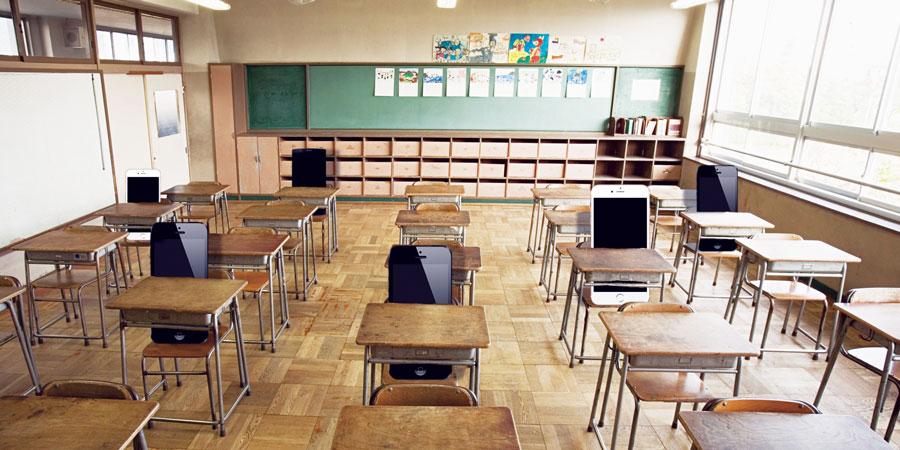
Graphic by Brendan Goodwin / Equinox Staff
This fear of missing out [FOMO] was discussed frequently by teens in the study.
No one likes feeling left out; personally, it makes me feel like I’m not as close with certain friends as other people may be or that I’ll miss out on some fun memories. The 13-year-olds in this study, however, almost had a heightened case of FOMO and brought their worries to a place they never needed to go.
A lot of the teens said they felt that when their friends would get together without them, it was deliberate – as if they were being targeted. They checked social media constantly, some more than 100 times a day, just to be sure no one was saying anything about them or hanging out without them.
As a consequence, it seemed as if the 13-year-olds were dressing, speaking and posting things that made them seem much older than they were as a means to gain popularity. Most of them were cursing, wearing makeup and posting risqué comments and pictures all over social media–things they probably picked up from television and celebrities. Meanwhile, I didn’t know more than three swears until I was 15 and just learned how to properly apply makeup last year.
Middle school, for me, was dog-eat-dog; there was bullying and spats between and even within cliques. But the major difference between my eighth graders and these eighth graders is that any confrontation we may have had was face-to-face.
Today, most quarrels are done behind a screen.
It’s no secret that things are much easier to say when you don’t have to look someone in the eye to say them. But mix this notion with a modern teen’s fear of missing out and their habit of imitating things they see on TV to be liked and you have a whirlwind of trouble.
It’s because of this that cyberbullying has become such a prominant issue. It seemed as if the adolescents in “Being 13” would go out of their way to bully kids online solely to get a reaction. They will target specific people, saying the harshest things you can imagine and cussing them out because some other moronic 13-year-old is going to think it’s funny. Their peers feed into their need for attention and in their minds this leads to popularity.
So if you’re like me, you might be thinking that the anxiety these teens felt from social media sounds like a form of torture. Why do they even bother checking social platforms if it does nothing but cause distress? The study answered this question with one simple statement: social media is an addiction for many of today’s teens.
In the special, 13-year-old Gia said, “I would rather not eat for a week than get my phone taken away. It’s really bad. I literally feel like I am going to die.” Many of the teens that checked social media frequently revealed they felt they had to–as if their lives depended on it.
There is a sense of narcissism that comes from social media (I’d like to thank ‘selfies’ for that).
The more likes these teens get, the more popular they feel. If they get a reaction from their peers from calling the quiet kid from algebra a freak on his Facebook page, they automatically feel cool.
The short-term feelings of euphoria these teens may get, however, do not outweigh the negative effects that come from social media. The desire to be popular and liked surpasses the golden rule of treating people how you want to be treated.
So what do they do? They persistently check social media or leave harassing comments on pictures. As a consequence, teens are left feeling anxious, depressed and sometimes even suicidal.
‘Being 13’ shows that social media has become something of a social problem with today’s teens. Although experts on the special gave parents insight on how to lessen their teens’ social media usage, I think we’ve reached the point of no return.
The effects of social media have touched so many that I don’t see how we’d be able to eliminate the negative effects completely.
Claire Hickey can be contacted at chickey@kscequinox.com
