

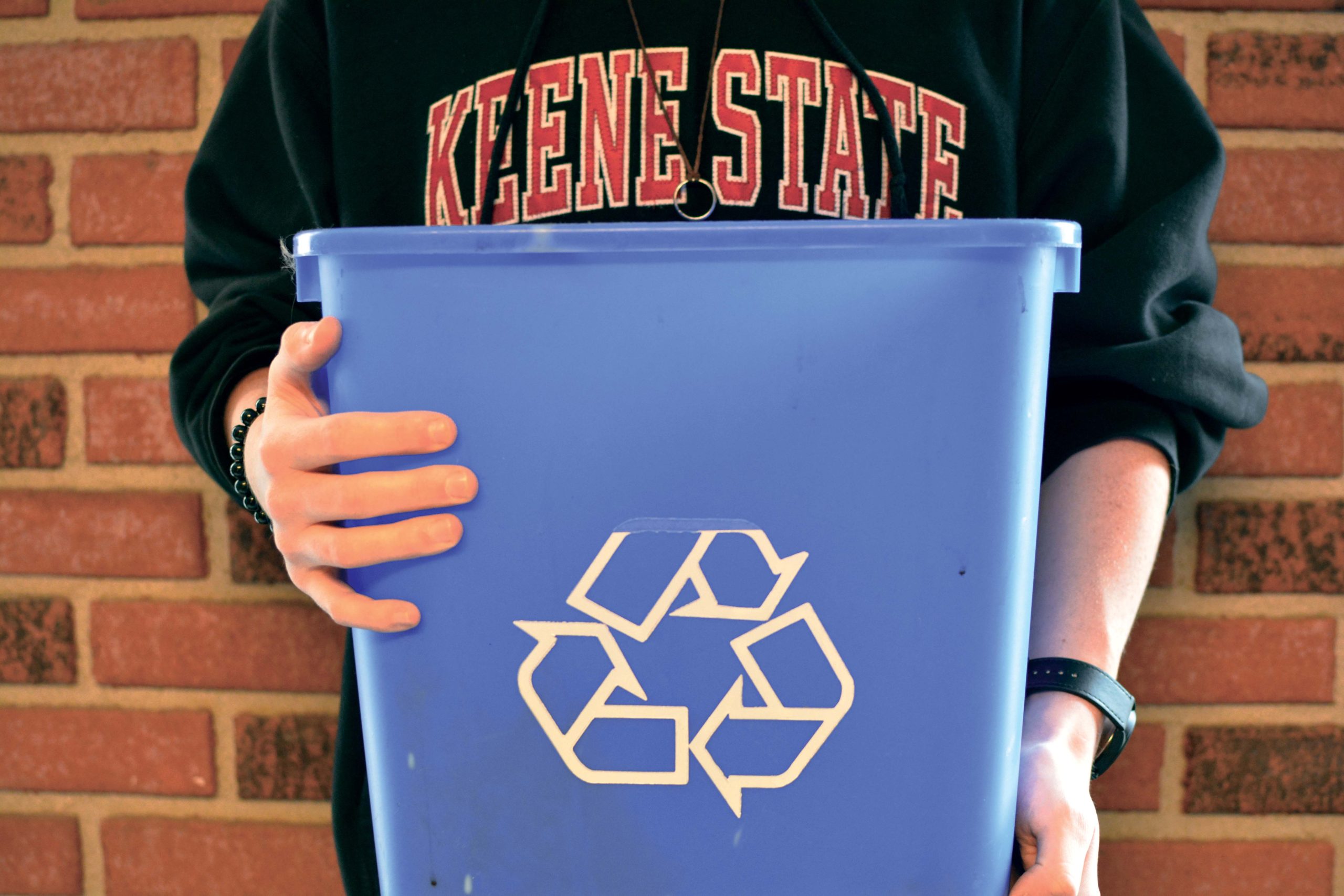
Everyone should do their best to attempt to recycle compostable materials in order to help with the staggering amount of garbage and waste piling up in our ecosystems. However, there are some misconceptions revolving around compostable plastics and recycling methods. These misconceptions are cleared up in the new novel published by Keene’s Assistant Director of Public Works Duncan Watson.
Watson has worked in Keene for nearly thirty-two years and is considered something of an expert on proper waste disposal and all things recycling according to an InDepthNH article written by Beverly Stoddart. His novel, titled Everyone’s Trash: One Man Against 1.6 Billion Pounds details the many ways the general public and big companies are negatively affecting the environment with their waste, both intentionally and unintentionally.
When asked in an interview conducted by Stoddart on the plastic bottle crisis incurred by large corporations like Pepsi and Coca-Cola, who were sued by the Los Angeles County for their heavy hand in the ongoing pollution crisis, Watson stated, “The plastics industry and what they’ve tried to sell us and what they’ve accomplished for us in terms of greenwashing have done a masterful job of manipulating the public into thinking that because they’ve attached that little recycling symbol to every single plastic container, it’s automatically recyclable. That is the big myth out there.”
Unfortunately it is the truth, most plastics aren’t as recyclable as they are being marketed as to the public, with little to no pushback being placed against this common lie. While some types of plastic may truly be recyclable, there are many kinds that simply can’t be broken down in the same manner, making them just as harmful to the environment as non-recyclable materials. Yet these bottles and packaging materials are slapped with a pair of chasing arrows regardless of the fact, leaving those consuming these products none the wiser.
It makes for a tough situation as the people believe they are making positive contributions to the world around them through these small acts of choosing seemingly waste-friendly materials over others. A rather disheartening thought considering that being mindful of one’s carbon footprint is pushed upon common people, while the companies producing the mega-tons of waste bow to no such ideology despite contributing the most to this issue.
However, there is still hope for those who wish to see our planet put before the needs of consumerist corporations. Watson discusses the importance of not disregarding aluminum when it comes to recycling, the assistance of transfer stations, and other methods that can be used to instill a better infrastructure around waste management. This lawsuit imposed against Pepsi and Coca-Cola is another green flag for the future of recycling, showing us all that we still have the power to insure that these companies are not running rampant with their waste production with no pushback or regulations surrounding them.
If you are interested in learning more about waste disposal, the plastic industry and what more you can do to help lower the effects of plastic pollution in your community, be sure to check out Duncan Watson’s novel, Everyone’s Trash: One Man Against 1.6 Billion Pounds.
Kara Montagano can be contacted at
kmontagano@kscequinox.com