
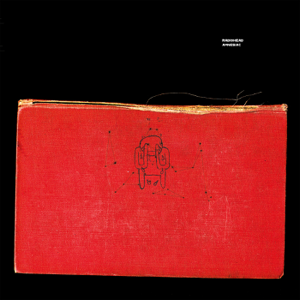
Radiohead’s 2001 album “Amnesiac” is a too-often-overlooked gem that pushed the group’s hard-earned legacy into a new era.
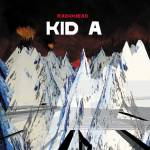
The band may have built up acclaim throughout the 90s and reached home base with “Kid A” in the year 2000, but from the same recording sessions as that album came a whole other album with similar stylistic choices but an entirely unique feeling and soundscape attached.
One potential misinterpretation of “Amnesiac,” due to it being a product of the same sessions as its predecessor, is that it is basically “Kid A” 2.0, a mere sequel rather than a standalone album. On the contrary, the flow of the tracklist, the cohesion of the sound and most importantly the overall quality of the music is unique and outstanding.
Populating the album is a feeling of numb, muted shock that feels like the aftermath of some devastating event. This is an album that urges listeners to whisper, if they have to speak at all.
Although I would suggest any first-time listeners try out “Amnesiac” as an ordered album experience, there are certainly some standout tracks. The second song, “Pyramid Song,” is as sparse as the rest but embodies an enormous sweeping energy with ghostly strings and a huge chorus that brings about the sensation of a whole other world on the other side of the looking glass. I would personally count this track as a contender for my favorite of the band’s songs.
With “Pyramid Song” as the first single, “Knives Out” is the second. This track is perhaps the one to deviate least from Radiohead’s sound on prior albums, but it is still a shining example of that sound and one of the greatest instances of it the band has yet achieved.
“Amnesiac,” like “Kid A,” sometimes deviates so far from alternative rock that it begins to play in the jazz space. While the earlier album certainly employs this to great success, I believe that an “Amnesiac” track such as “Life in a Glasshouse” is an even better use of such genre influences, with even more unforgettable horn riffs and an overall warmer sound that not only gives listeners an auditory spectacle, but tries its best to get close and wrap them up in it as well.
One track that may often be overlooked even by those who do give “Amnesiac” the time of day is “Hunting Bears,” the instrumental ninth track. This is once again unfortunate, because I would say this is the best of any of the band’s instrumental songs. It is characteristically sparse and even delicate with the guitar uncertainly climbing mountains and falling back down into valleys, and the title conveying a mismatching ferocity.
Ultimately, the bits and pieces of “Amnesiac” I feel are most noteworthy are only a fraction of what the album has to offer, and my words can only provide a shallow look into the depths which await any willing listener. I would encourage any and all interested to give this hidden gem a listen and experience for themselves what I would consider to be Radiohead’s greatest work.
Charlotte King can be contacted at
cking@kscequinox.com