

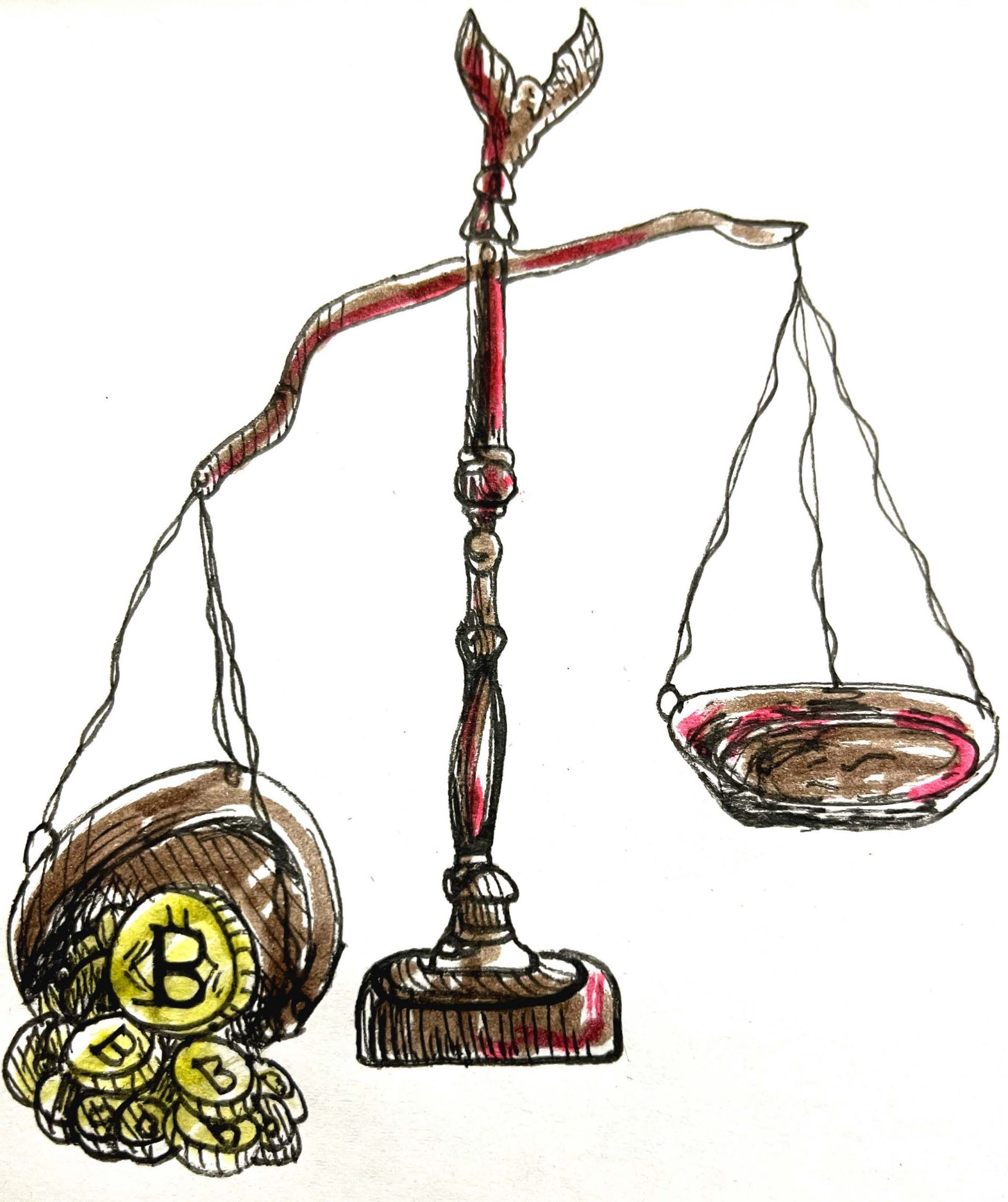
On Oct. 2, Ian Freeman of Keene had his sentencing hearing at the New Hampshire Federal District Court in Concord regarding an unlicensed Bitcoin exchange he was running, says the Associated Press (AP). Freeman stated during the trial that he didn’t believe that he had broken the law and showed some remorse that folks had been taken advantage of.
“I don’t want people to be taken advantage of,” Freeman told the AP. Freeman acknowledges that he had noticed potential fraud and had attempted to self-police by creating questions for customers to answer if they felt forced or pressured. Freeman told the AP, “ It didn’t matter how strict I was or how many questions I asked,” as victims would lie about problems and potential fraud.
The AP also reports that a lot of the victims of these scams have been lonely older women which is especially troublesome. One of these women described herself as a lonely widow who was scammed from a dating site. The scam led to her transferring $300,000 to Freeman and cleaning out her life savings.
The defense requested that Freeman be released on bail, but was denied by Judge Joseph LaPointe because, according to AP, he said, “There was real harm caused by his conduct.”
As I see it, this story really exemplifies two issues with crypto: One, crypto is a fraud scheme in itself and two, crypto is extremely unregulated. The premise behind crypto is that people put their money into these “alternative currencies” which are based on nothing. The crypto exchange takes your invested money and holds it like any other investment bank but then, nothing happens. The exchange has nothing to invest in because it’s all a numbers game. The more people “invest” the higher the value and so on. This leaves the people running the exchange exponentially richer and everyone else broke. These large multinationals like Binance and Futures Exchange (FTX) all the way down to small exchanges like Freeman’s, where in the case of FTX, fraud was the business model; Sam Bankman-Fried and Ian Freeman would have made Charles Ponzi proud.
I see two solutions out of this. The Securities and Exchange Commission (SEC) and the federal government need to greatly tighten regulations regarding crypto, or my probably less popular opinion: crypto needs to go away entirely. If the federal government tightened controls and business practices for these exchanges, it would greatly reduce the likelihood of fraud and folks like the woman from the AP article who got swindled out of $300,000. It would provide some security to investors by making these operations more transparent in their actions and the added government oversight would make it much harder for the business to run out the back door with all of the money.
I think the best solution would probably be that crypto would have to go away. I don’t see the “crypto people” allowing any kind of government oversight in, and I don’t see how someone can defend keeping around an investment business model that very closely resembles a Ponzi Scheme. But Ian Freeman was sorry so that must count for something.
Timothy Fitzpatrick can be contacted at
timothy.fitzpatrick@keene.edu