

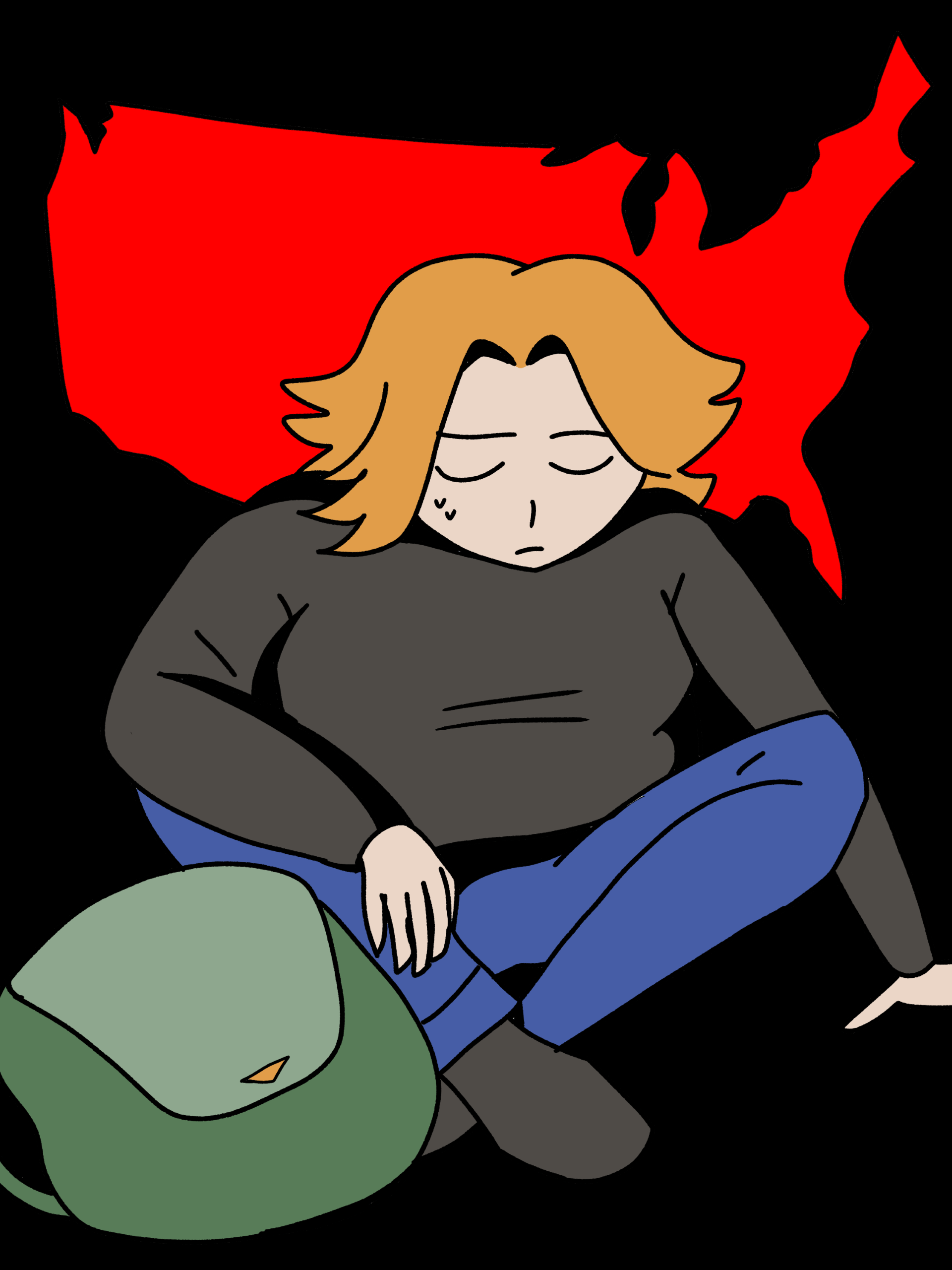
Each semester, students from all around the world travel to other schools to study abroad internationally. Every student goes through the rigorous process of deciding where they want to go, applying, and getting their student visa and every other form of paperwork they need to study abroad. In 2025, Trump implemented two travel bans against 39 countries around the world. According to Britannica.com on June 4, 2025, the first proclamation of the travel ban was implemented, banning the first 19 countries.
By Dec. 16, 2025, Trump issued a second proclamation, banning another 20 countries, including the Palestinian authorities. 18 of the 39 countries are under a full ban, leaving the other 21 countries under a partial ban. To ban countries’ entry means that the Trump administration deems those entering as a “threat” to our country.
According to congress.gov, the restrictions include both immigrants and non-immigrants under the many different types of visas, including F visas (academic students), M visas (vocational students) and J visas (exchange visitors).
This means that any international student who is currently abroad will not be able to come back, and that is exactly what happened to Patrick Thaw. According to AP News, Patrick Thaw is an international student originally from Myanmar who applied and got into the University of Michigan in Ann Arbor. He went to Singapore to do an international summer internship, leaving his friends behind in Michigan. AP News says that last June, Thaw was interviewing to renew his U.S. student visa, but his entire world was “flipped upside down” by the travel ban that was implemented by the Trump administration.
As of right now, looking at the list of international destinations on the Keene State College GEO website, and looking at the list of banned and partially banned countries that the Trump administration has banned on Britannica.com, there are no correlating countries that affect Keene State students, but we do have current students on campus from some of these countries.
No one should be afraid to travel internationally for education due to the fear of never being able to come or go back home. International education does wonders for both American students and the international students who travel all the way to the U.S.
Not only do students come to the U.S. and vice versa for educational purposes, but they also make lifelong friendships and memories. AP interviewed a few of Patrick Thaw’s friends, getting a look into what they think of the situation. Allison Voto is one of the friends Thaw has back on campus and one that AP interviewed. She said, “If he comes anywhere near me, basically on the continent of North America, I’m going to go see him.”
Students all around the world, including Keene State students, make friendships like this. Strong, lasting bonds with people who come from different cultures and backgrounds, and they shouldn’t lose these friendships and connections because of their government.
Education should not be limited to some just because of the country they come from. With study abroad programs, foreign students learn from us, but we also learn from them. We learn about new cultures and different worldly perspectives that we may never have thought about previously.
Study abroad is an important program for American students and foreign students. New connections are made, experiences are had and communities are created. Students shouldn’t be banned from visiting America and vice versa.
Arkayde Smith can be contacted at
arsmith@kscequinox.com