
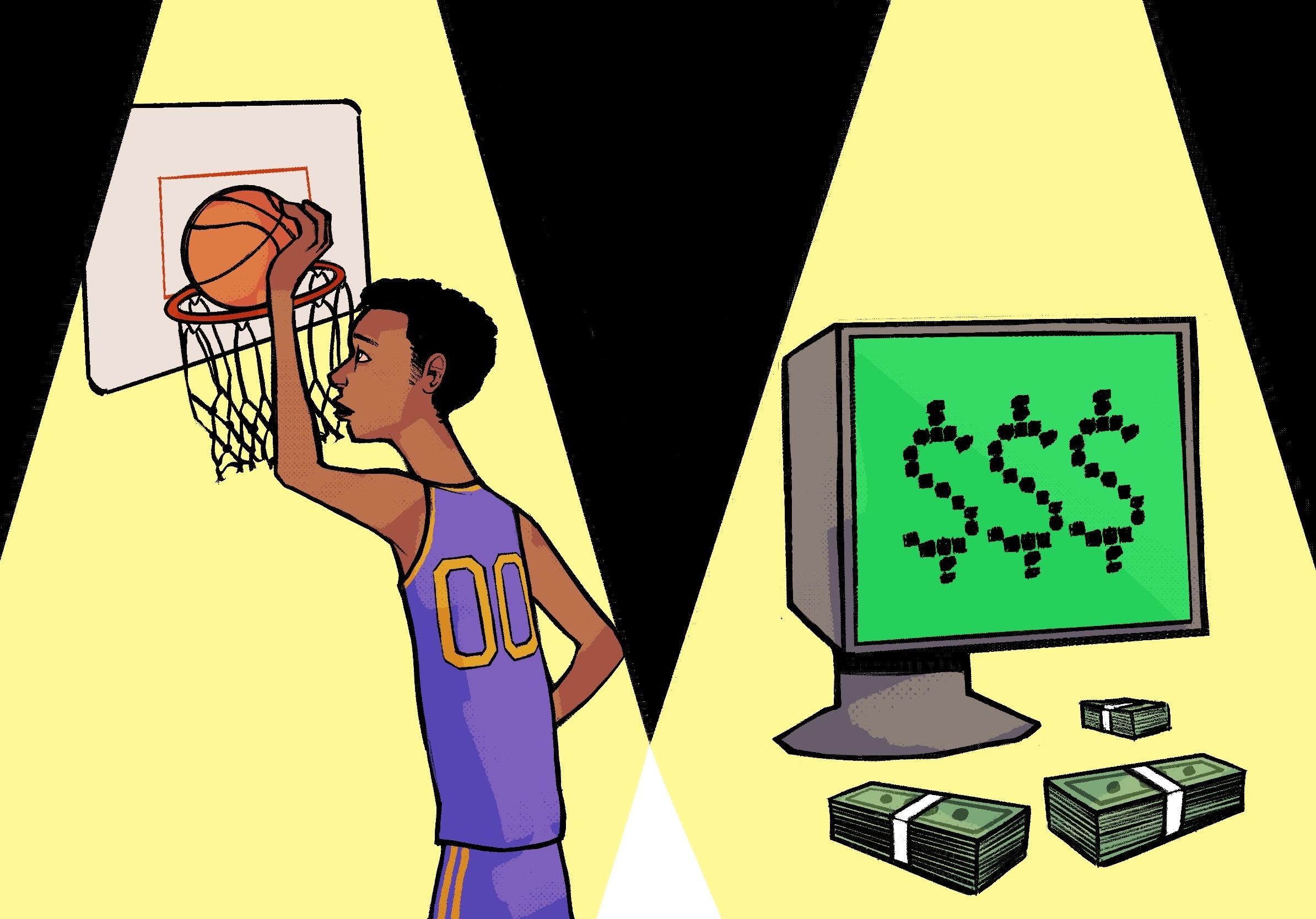
Over the course of the past few years, there have been several professional athletes who have been involved with sports gambling and have received punishments for their wrongdoings. Tennessee Titans Wide Receiver Calvin Ridley and Toronto Raptors center Jontay Porter are two recent examples of such crimes.
Most recently, Miami Heat guard Terry Rozier and current Portland Trail Blazers Head Coach Chauncy Billups were the two accused of crimes related to rigged poker games and illegal sports betting. Both have been placed on leave from their teams.
A few students shared their overall thoughts on professional athletes ruining either their seasons or careers over sports betting.
“It’s obviously something that’s not good, especially in the sports betting region, and we have these professional athletes putting up these bets that they don’t really need financially, they make millions of dollars per year and have some of the best jobs in the world, and I think it’s very unfortunate that they are setting the tone for other people that do bet on players like them,” said first-year Caden Tucker.
This organized crime, unfortunately, lures even professional athletes into it, which has caused serious trouble at times. In the Rozier and Billups case, Rozier was arrested in a hotel in Florida on Thursday morning after a year-long investigation concluded, arresting 34 others.
“I think it’s super dumb because these athletes who are gambling are already earning millions of dollars from their contract, and most of the time it’s because they get greedy and set bets on themselves. Or they are just truly addicted and can’t stop gambling,” said first-year Blake Shollenberger.
It’s not only professional sports where this has been seen.
After November 22, there will be a rule in place where the NCAA is allowing all of its athletes to permissibly bet on professional sports.
Keene State Athletic Director Marty Testo shared how he and the coaches throughout the school’s teams can educate their students on these matters.
“Instead of telling kids they can’t do it now, we have to now educate the kids on what can happen, what’s the impact, and how addictive it can get and what the implications are if you start gambling things you don’t have, so we’re trying to educate our athletes on it with this new legislation that has gone through,” said Testo.
Matt Cabral can be contacted at