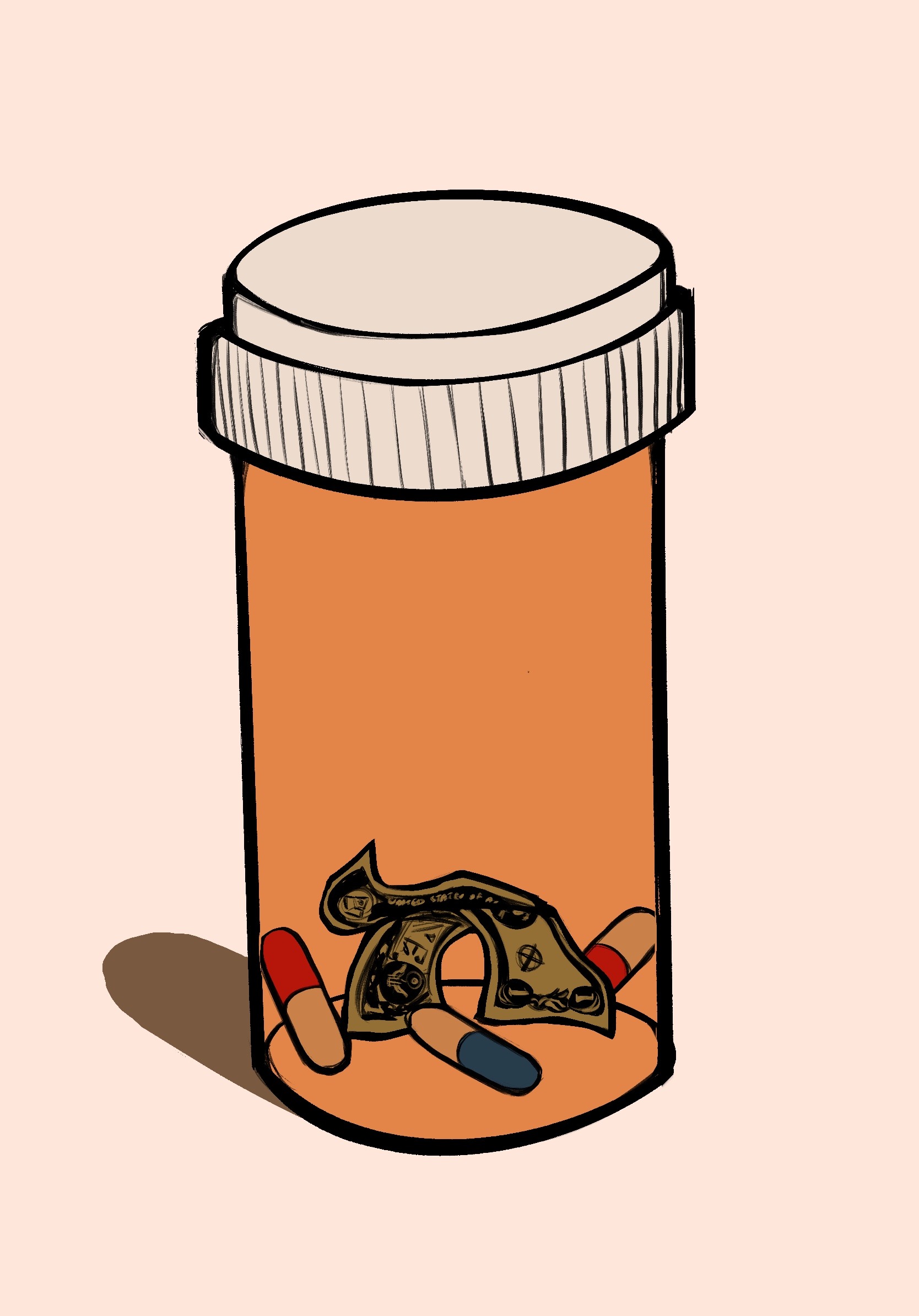
In an effort to supposedly give the law enforcement in northern New Hampshire more money, some in the state government want to take money from what has been set aside to address the opioid crisis.
For many years now, there have been efforts to curb the opioid addiction and overdose crisis that is ongoing in many states. New Hampshire, for example, has the Opioid Abatement Trust Fund. This fund, according to a New Hampshire Public Radio (NHPR) article, gets its money from legal settlements with drug companies who have been accused of enabling opioid addictions. The money is meant to be used to help address the crisis, such as funding recovery centers. However, apparently Gov. Kelly Ayotte doesn’t believe that is a good use for the money. Her proposed House budget, which has been finalized according to NHPR, takes $21.4 million from the fund over two years. This money will supposedly be going to the police in New Hampshire’s North Country. Specifically, one of the things it’s going to is overtime pay for drug enforcement operations.
My issue isn’t entirely where the money is going, it’s that it’s going anywhere at all. According to NHPR, the money in the Opioid Abatement Trust Fund must go to addressing the opioid crisis by the terms of the legal settlements. Moving the money from one project to another is breaking those terms. To make matters worse, the lawmaker who made the budget plan told NHPR he apparently was not aware of those terms and that the money should be returned to the fund. This displays a shocking lack of awareness of the law for someone who is helping make New Hampshire’s law.
I don’t believe that giving more money to police forces is more important than addressing very real substance abuse problems in our communities. Taking money from programs meant to help people recover from addictions, no matter where it goes to, is shameful. Addiction is a disease, not a moral failing, and it should be treated as such. These are struggling people who deserve help and compassion. If the state can give them that help, why would you want to take that away? People with opioid addictions are also New Hampshire citizens.
Additionally, I do worry about the money being relocated to drug enforcement operations. Addiction has largely been criminalized across the country, and people with addictions can be sent to jail on drug possession charges. This isn’t helpful and it isn’t a solution. No one benefits from locking away vulnerable members of our communities, except for anyone who wants to look away from this crisis and wash their hands of it. There are likely many people with opioid addictions who don’t get help for it because they fear being arrested, and that should also be shameful. How many more people could we help if we treated them with compassion instead of scorn?
Orion Corbin can be contacted at