

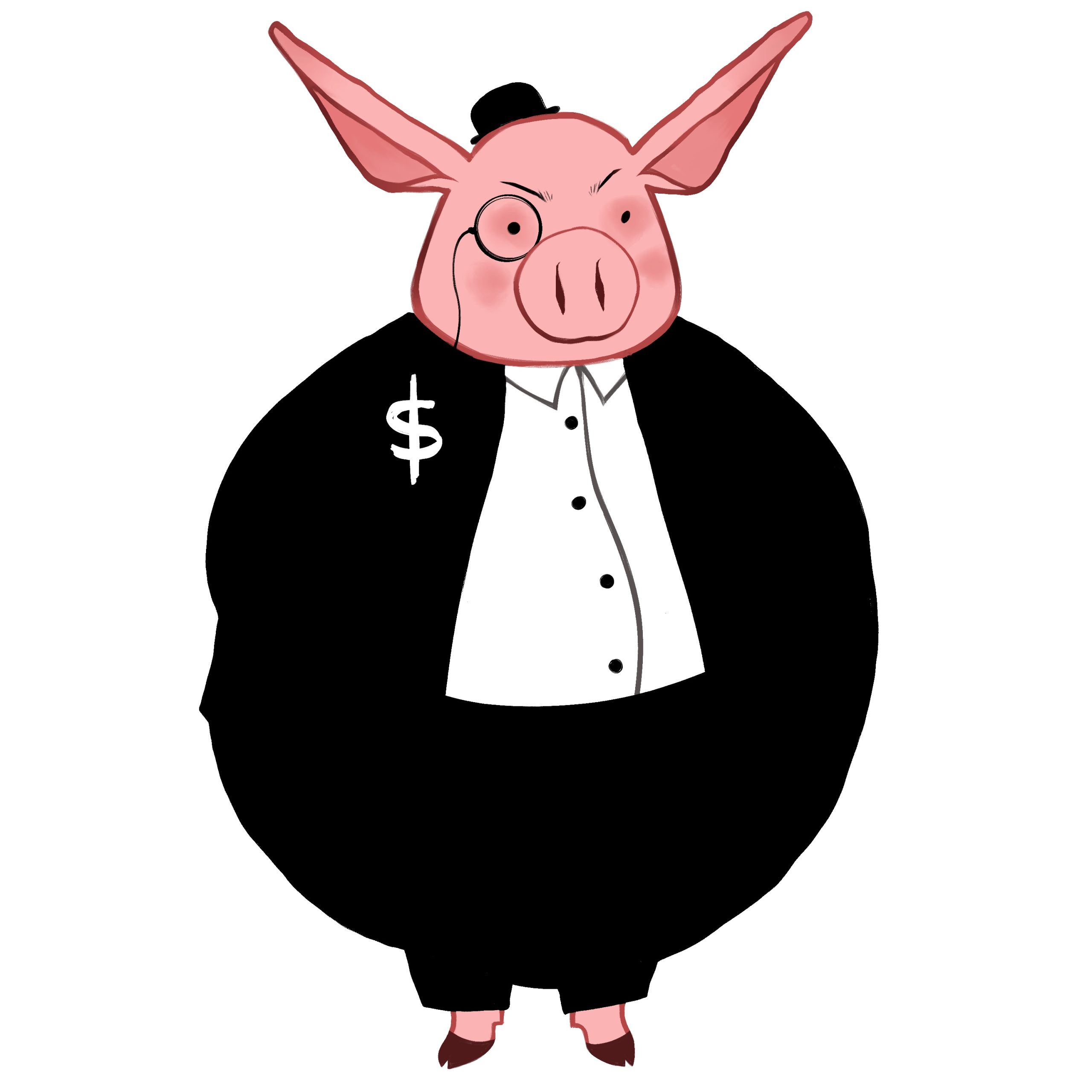
We all recognize the term Medicaid, whether that be from recent headlines or you or someone you know is a recipient of it. But for those who don’t know, it’s a medical assistance program that helps low-income adults, families and those with disabilities. In New Hampshire, there are about 185,000 people who rely on it.
Medicaid covers inpatient and outpatient hospital visits, physician services, X-rays, medical supplies, physical therapy and the list continues. Not only does it cover those services, but Dartmouth Health prides itself on providing aid to rural health. Medicaid helps cover those visits to a rural clinic.
Unfortunately, Kelly Ayotte, our newly elected governor of New Hampshire, proposed a change to Medicaid in her budget.
Some recipients are at risk of paying a monthly premium. This means certain families and adults will pay five percent of their annual income each month if they make 225 percent over the poverty line.
While the premium was billed in the past, it had stopped at the start of the COVID-19 pandemic.
This would mean if you were a single parent with three kids and made over $68,000 annually, you would have to pay $228 a month as a monthly “premium.” Single adults earning over $15,000 annually would also have to pay.
I would like Ayotte to try living on $20,000 a year, you cannot do it. It’s impossible. On top of that, you must pay 5 percent of that each month to receive healthcare.
Senior Advisor to the Governor, John Corbett explained in an email, “This budget brings Medicaid eligibility back in line with pre-pandemic levels and joins neighboring states in requiring nominal copays for those receiving these benefits,” reported NHPR.
I found the phrase “monthly premium” to be ironic. When you think of premium, you assume you are getting some benefit out of it, when that’s not the case. The $228 they would have to pay to keep access to free or low-cost health care could be a car payment, a week or two worth of groceries or childcare expenses. That’s not a benefit.
Of the 185,000 people who are recipients of Medicaid, about 10 percent of families with children would pay, and around 20 percent of adults would. While the percentages could be worse, to those of that 10 or 20 percent; it is the worst.
If the “premium” is implemented, it would save the state over $28 million in two years.
The proposed budget doesn’t stop there. It can also affect us college students. Ayotte plans to cut 4 percent of aid to USNH schools and boost aid to community colleges by eight percent. This can cause an increase in tuition costs on top of the already projected 2.5 percent increase that Keene State announced, making tuition even harder to cover.
While there are many of the planned proposed budget cuts that I disagree with, I must highlight some of the positives introduced into the budget.
With the increased need for special education programs, the costs of that would be aided. Of the 176 school districts in New Hampshire, all of them had to allocate more than 25 percent of their total budget to special education services. This is due to more students being identified and needing complex aid in school.
Ayotte wants to send about $100 million over two years, which is a 50 percent increase that schools have not yet seen. While this is only short-term funding, and the long-term has not been addressed, the effort is seen.
Ayotte came in with a strong plan for New Hampshire, and whether favored or not, I must give it to her. She is sticking to her guns, but while doing that I hope she keeps in mind the negative effects her choices have on those who depend on her to represent them.
Alice Whittemore can be contacted at
awhittemore@kscequinox.com