
On October 27 of 2018, a man with a gun went into the Tree of Life synagogue in Pittsburgh, Pa. with one goal: To kill the Jewish people gathering there.
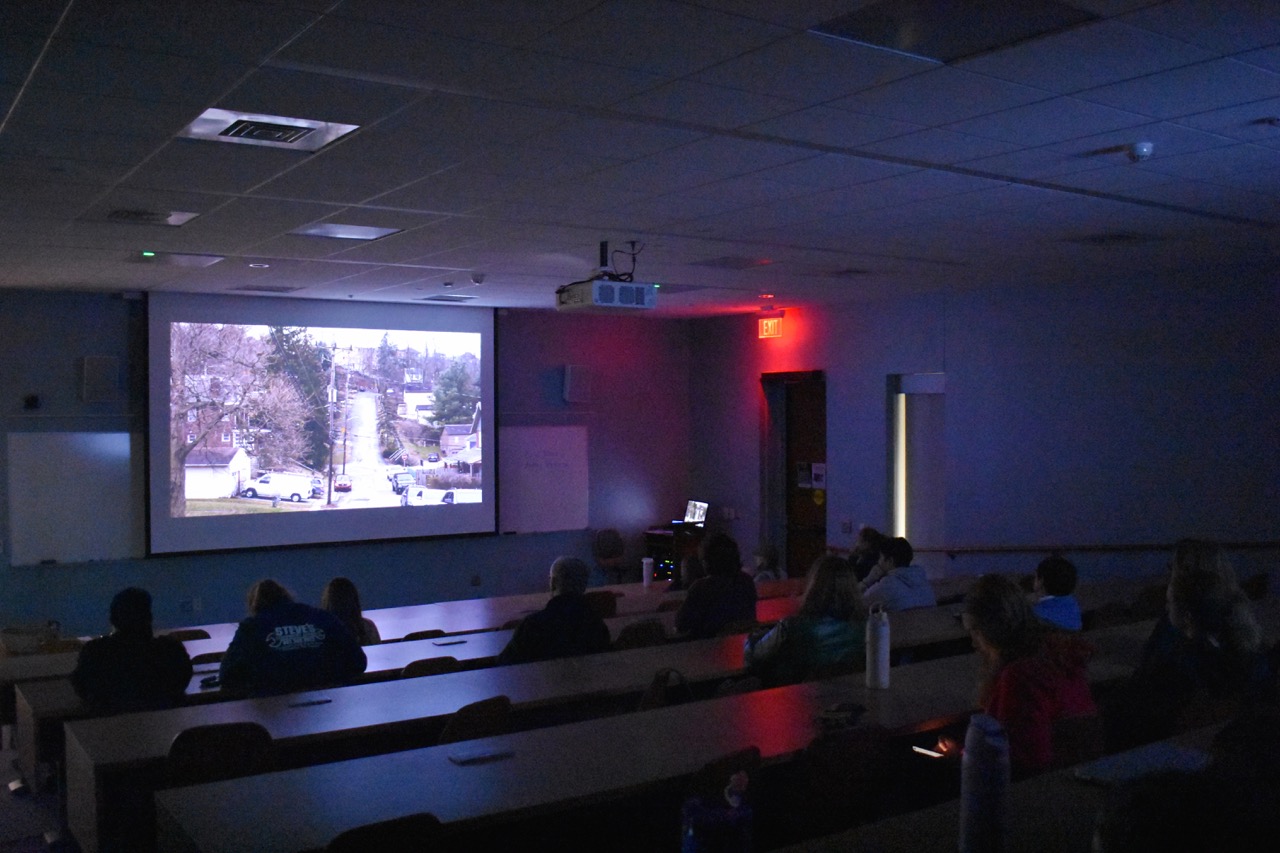
After almost exactly six years, KSC’s Cohen Center for Holocaust and Genocide Studies screened a documentary about the tragedy titled, “A Tree of Life: The Pittsburgh Synagogue Shooting” on Thursday, Oct 24. Attendees were able to watch the documentary in person or via a Zoom call.
The documentary told the story not only of the day of the shooting but also of the victims’ lives and families and how the community reacted in the aftermath. It featured interviews with the survivors of the shooting, the family members of the victims and various members of the community.
The documentary started out with a recounting of the day of the shooting with different survivors giving their accounts. They had all gone to the Tree of Life synagogue for Saturday services and were in various parts of the building when the shooting happened. One interviewee said the shooter eventually went into a part of the building where young children would be gathering for educational services, but it had been a day where they did not have those services.
By the time the SWAT teams, police officers and EMTs had control of the situation, 11 people were killed.
Attendees had varying levels of knowledge about the Pittsburgh synagogue shooting and said the documentary helped them to learn more about it.
“It was really educational,” said first-year Olivia Liamos. “Because personally, I didn’t know about the event. But I feel like it’s good to know where and who is mostly targeted.”
First-year Sophia Charest said, “I’d heard about it before but [the documentary] gave me details about it.”
The documentary also talked about the community’s reaction to the shooting and what the shooter’s motivation was. While it was deeply rooted in antisemitism, the shooter also held very anti-immigrant beliefs, and one of the congregations that met in Tree of Life, Dor Hadash, was participating in the National Refugee Shabbat. While he had no criminal history at the time, he did have a history of making bigoted and antisemitic posts on social media. In August 2023, the shooter was sentenced to death, according to ABC News.
Despite the fear such tragedies can cause, the community banded together to help out those affected. For example, one interviewee was a leader of the Islamic Society of Pittsburgh, who spoke about how they crowdfunded over $200,000 to pay for funeral expenses, medical bills and other short-term expenses. The members of the Tree of Life synagogue held a memorial outside of the building, where they encouraged members of the community to do 10 mitzvot, or good deeds, in memory of the 11 people who were killed. There were also three gun control laws passed in Pittsburgh; however, they were repealed in October 2023 according to the New York Times.
“To my knowledge, I don’t think [this documentary] has been shown on campus before,” said Kate Gibeault, director of the Cohen Center. “But we had this opportunity to host a webinar … with a couple of the survivors, and so we decided to show the film and let people see it in its entirety.”
The Cohen Center also hosted a discussion panel over Zoom on Friday, Oct. 25 with two of the survivors of the shooting to discuss their experiences and to ask any questions students and other attendees might have.
“It’s important … to learn about events like this because I think it means a lot to the community themselves to know that their story, and the story of their loved ones who they lost, is being kept alive,” said Gibeault. “It helps us remember those who are lost and also helps us think about what might we be able to do to address some of these issues too.”
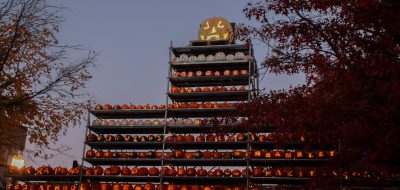
Today, the Tree of Life synagogue is still open and operational, creating a space for the Pittsburgh Jewish community to gather, worship and memorialize those lost on Oct. 27, 2018.
Orion Corbin can be contacted at