

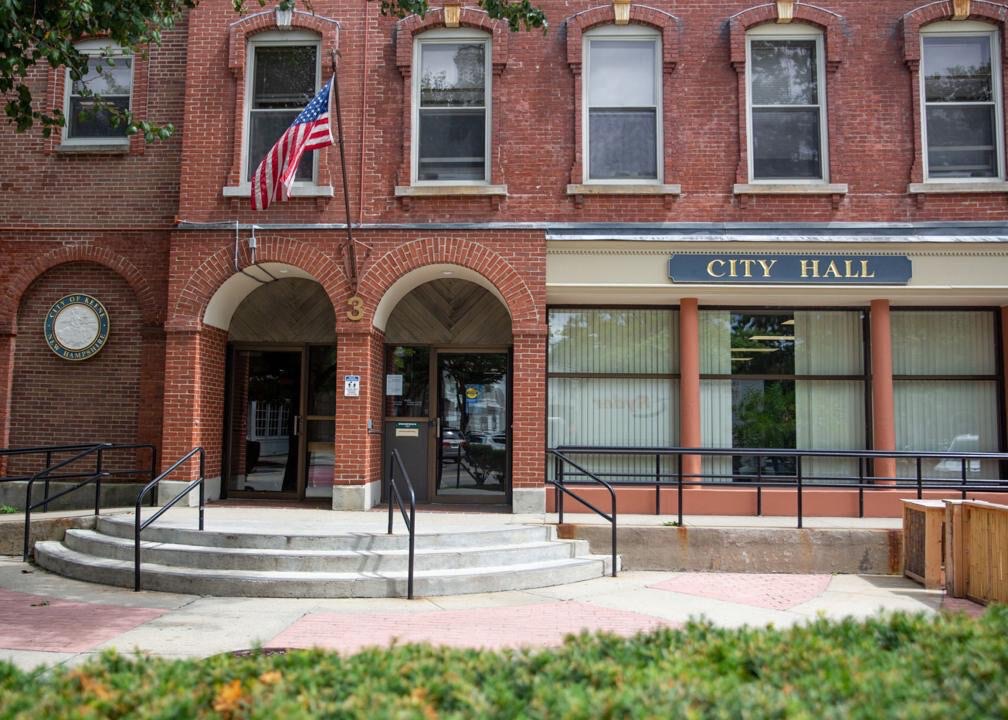
Keene city councilors recently voted to change one of their rules that will make meetings more inclusive for people with disabilities.
Councilors will no longer be required to stand when they speak during council meetings.
“We should be designing a world with as few barriers as possible, and an environment with as few barriers as possible,” said Councilor Catherine Workman, who advocated for the change.
The rules previously said a councilor “shall rise in his or her place” when they speak.
Members of the council’s planning, licenses and development committee recommended changing the language to “shall rise in his or her place, if able.”
Although this would have given councilors the option to sit, Workman was adamant that the change wasn’t enough.
“‘Shall’ still is very authoritative. You know, it kind of reminds me of very puritanical language … [whereas] ‘may’ … provides the option so that the default is really everyone sits, and you may stand if you’re so inclined,” she said.
Workman noted she didn’t want the onus of requesting an accommodation to be on the person in need of one, “which I just didn’t think was right or fair or inclusive.”
“I almost … felt foolish fighting for it, because some people on the surface may look and say, ‘What’s the big deal?’ ” Workman said.
“But for the folks who go through life constantly needing to … explain their disability, or explain why they need an accommodation, it’s a huge change … on the surface, it seems very small, but it has a very significant impact.”
After councilors discussed the change at their Sept. 19 meeting, they voted unanimously in favor of giving councilors the option to stand or sit while speaking.
“It’s about choice,” said Dottie Morris, associate vice president for diversity and inclusion at Keene State College. In her role, Morris advises the college on inclusive policies.
“A person knows their condition, as opposed to being judged … ‘shall’ sounds a lot more definitive, and … seems like more of a judgment, whereas ‘may’ is … permission for you to make a decision.”
Morris agreed with Workman, noting that the change could “speak volumes” to somebody with a disability.
Workman also said the change incorporates principles highlighted in a 2021 report by the city’s Racial Justice and Community Safety Committee, which examined racism and racial inequities in Keene after George Floyd’s murder by Minneapolis police. The report called on the city government to be a role model in promoting diversity, equity and inclusion throughout Keene.
“If we’re not willing to do it as a city … how can we really expect any small business owner or nonprofit or other organizations and stakeholders in the community to make effective changes and policy changes if we’re not even willing to ourselves,” she said.
Workman is hopeful the move will have an effect beyond the council chambers.
“These types of changes are small, incremental changes that have great impact when you put them all together … if the city can lead by example, hopefully others will follow,” she said.
Sophia Keshmiri can be reached at 603-283-0725 or skeshmiri@keenesentinel.com.
These articles are being shared by partners in the Granite State News Collaborative. For more information, visit collaborativenh.org.