
December is a colorful month of many holidays, and no matter what or if you celebrate, all hold equal importance.
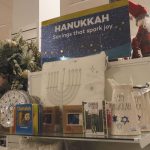
Hanukkah is a Jewish holiday celebrated for eight days during the month of December. Each day, a candle is lit in a menorah, marking the rededication of the Temple in Jerusalem. In this temple, they found a tiny amount of pure oil that they used to light the candles, which stayed lit for eight days. This year, Hanukkah will be celebrated from the night of Dec. 25 through Jan. 2, 2025.
Hanukkah was first celebrated in the 2nd century BCE, according to a History.com article. Dating so far back, it begs the question: how, if at all, was Hanukkah celebrated during the Holocaust?
The Holocaust was a “systematic, state-sponsored persecution and murder of six million European Jews by the Nazi Germany regime,” according to the United States Holocaust Memorial Museum.
During this period, it was forbidden to teach children about Judaism or celebrate Jewish holidays. However, some found ways to carry on their joyous traditions in the midst of an upside down world.
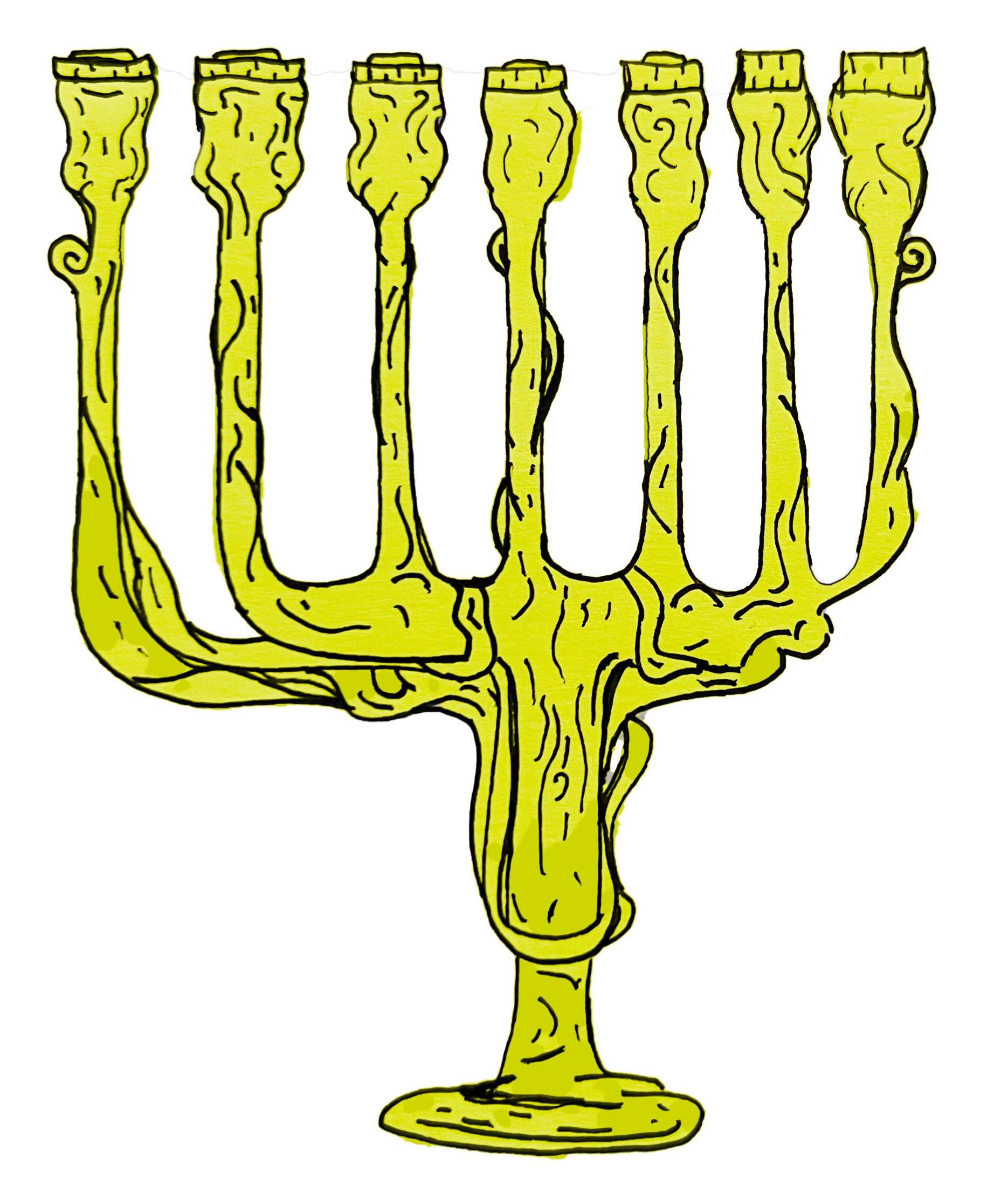
“Some Jews who were in concentration camps made menorahs out of wood if they could find or steal a piece,” said Celia Rabinowitz, dean of Mason Library, in an email. “In some camps Jews might not be able to build or create a menorah but they might find scraps of fat from food, or some grease, or pieces of cotton that they could form into wicks or use anything they could find to be the candle holder.”
Now, Jewish families celebrate freely by lighting menorahs and placing them in windows for everyone to see.
“It is common to put your menorah in a place where people outside can see it as a way to be open about being Jewish and also so that any Jewish person with no place to celebrate knows of a welcoming house,” according to Rabinowitz.
Keene State’s Jewish Student Union gave some insight through a social media message about how non-Jewish students can get involved to learn about Hanukkah.
“Temple Ahavas Achim hosts services and a Hanukkah celebration, and other local Jewish temples may offer similar events,” according to the JSU. “You can also attend Jewish Student Union meetings, ask our e-board members, or connect with professors in the Holocaust and Genocide Studies program for more insights.”
“Non-Jewish students can learn about Hanukkah by doing some pretty easy searching online. But it’s more fun to ask someone you know who is Jewish if they celebrate to describe what their family does,” added Rabinowitz. “The traditions are different and passed down in families. I have a menorah that belonged to my grandfather and it has little cups for pouring oil instead of places for candles.”
As many holidays, Hanukkah is celebrated in many ways, each way a time where honor, commemoration and observance are highly valued.
Jaden Johnson can be contacted at